Many people stop peels from May to September. It is not always necessary: what matters is the type of peel and how well the skin is protected afterwards.
Why acids and sun need care
Exfoliating acids remove the dead cells at the surface. The renewed skin is fresh and radiant — and more exposed to UV for a while. In a controlled study, daily use of an AHA increased the skin’s sensitivity to UV; the effect disappeared within a week after stopping (Kaidbey et al., 2003).
The conclusion is not to avoid acids, but to protect the skin every day while you use them.
Which peels in summer?
- Gentle, superficial peels — with PHAs or mandelic acid — suit the sunny months well, for radiance and texture.
- Stronger peels for pigmentation are usually planned for autumn and winter, when exposure is lower and the results are easier to protect.
- Your professional decides according to your skin, your concern and your plans (holidays, sport outdoors).
Before and after the session
Before: tell your professional about any recent sun exposure, holiday or tanning, and any product you use at home.
After:
- No direct sun, sauna or intensive sport for the following days.
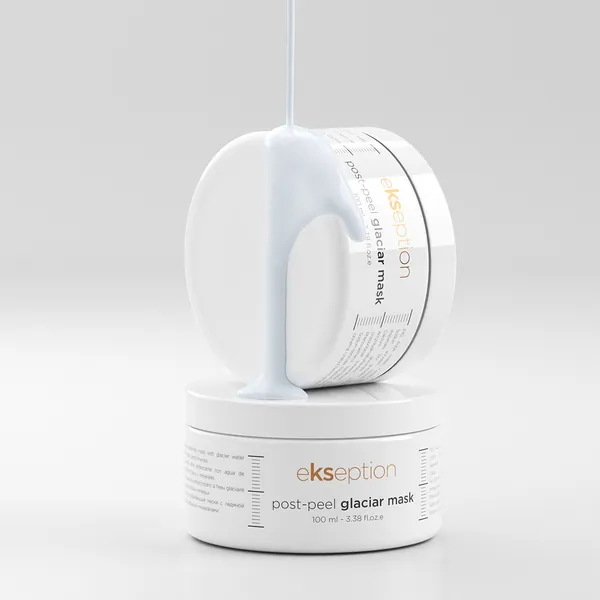
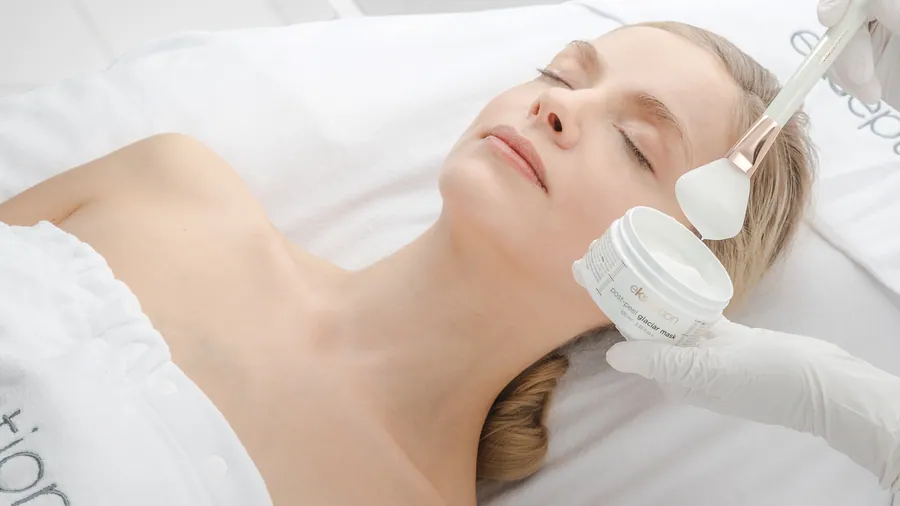
- Soothe and hydrate the skin, for example with a cooling mask after the peel.
- Apply a broad-spectrum sunscreen every morning, generously, and re-apply during the day.
- Wear a hat and seek the shade in the middle of the day.
Read the full routine in before and after a peel.
Daily protection that fits a resurfacing routine
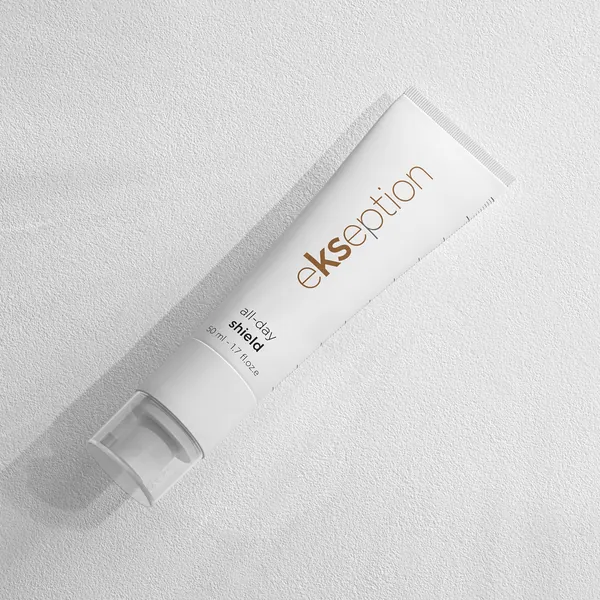
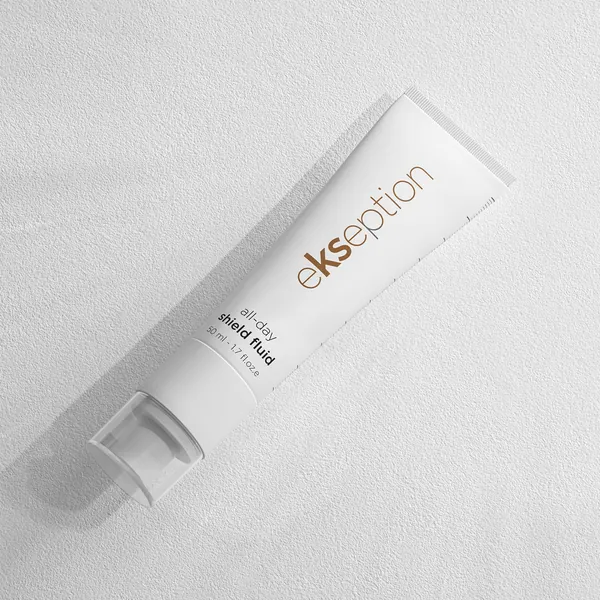
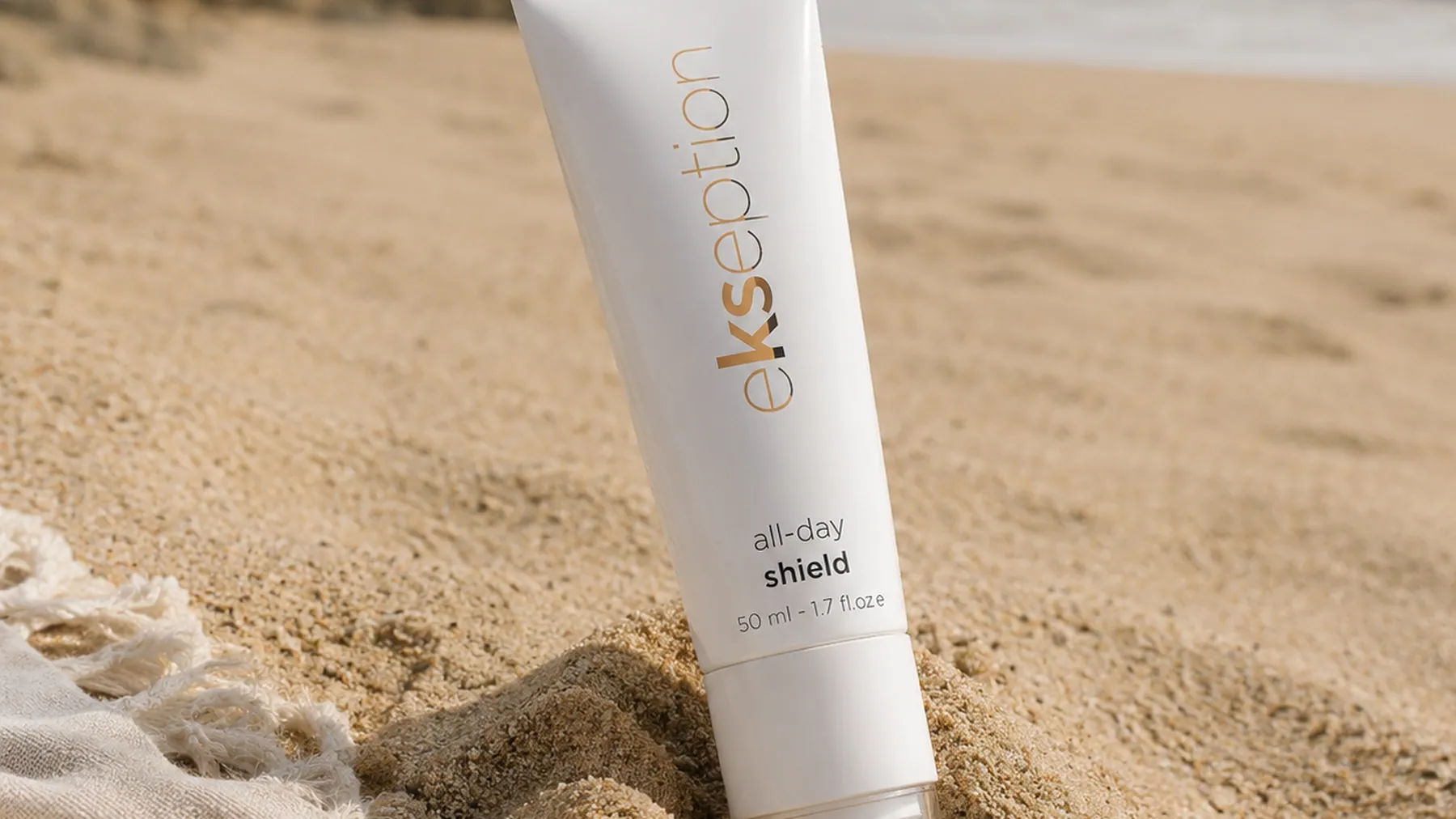
The ekseption All-day shield sunscreens combine UVA/UVB filters with ferulic acid, an antioxidant, and Helioguard 365, an algae extract that helps protect against UVA-induced photoaging. Light textures make them easy to wear every day — the habit that keeps the results of resurfacing.
Looking for a treatment? Find a professional who works with ekseption.
Questions
How long after a peel should I avoid the sun?
Avoid direct sun exposure in the days after a peel and protect the skin with a broad-spectrum sunscreen every day for the whole programme. Your professional will tell you how long to wait before a beach holiday.
Which peels suit summer best?
Gentle, superficial peels with PHAs or mandelic acid, chosen by a professional for your skin. Stronger peels for pigmentation are usually planned for the seasons with less sun.
Is SPF 30 enough after a peel?
A high, broad-spectrum protection such as SPF 50 is recommended during an acid programme, applied generously every morning and re-applied after sweating, swimming or long exposure.
Sources
Looking for a treatment?
ekseption peels are applied by trained professionals. Find a professional who works with ekseption near you, or ask us.
Find a professional