Oily skin, enlarged pores and recurring blemishes have one thing in common: what happens inside the pore. That is where salicylic acid makes the difference.
What is salicylic acid?
Salicylic acid is a beta-hydroxy acid (BHA). Its key property is that it dissolves in oil. Water-soluble acids such as glycolic or lactic acid work mostly on the skin surface; salicylic acid can also reach the sebum inside the pores.
What does it do for the skin?
A comprehensive review of salicylic acid as a peeling agent describes it as desmolytic: it disrupts the junctions between surface cells, which makes it a good exfoliant, and its comedolytic property makes it particularly useful for blemish-prone skin (Arif, 2015). In practice:
- Clearer pores, as sebum and dead cells are loosened and released.
- Fewer visible blemishes and a more even skin texture.
- A matte, fresher-looking complexion on oily and combination skin.
- A soothing feel, as salicylic acid is related to the calming compounds of willow bark.
The same review documents salicylic acid peels across a wide range of skin types, which is why it is a classic of professional resurfacing.
Building a routine for oily and blemish-prone skin
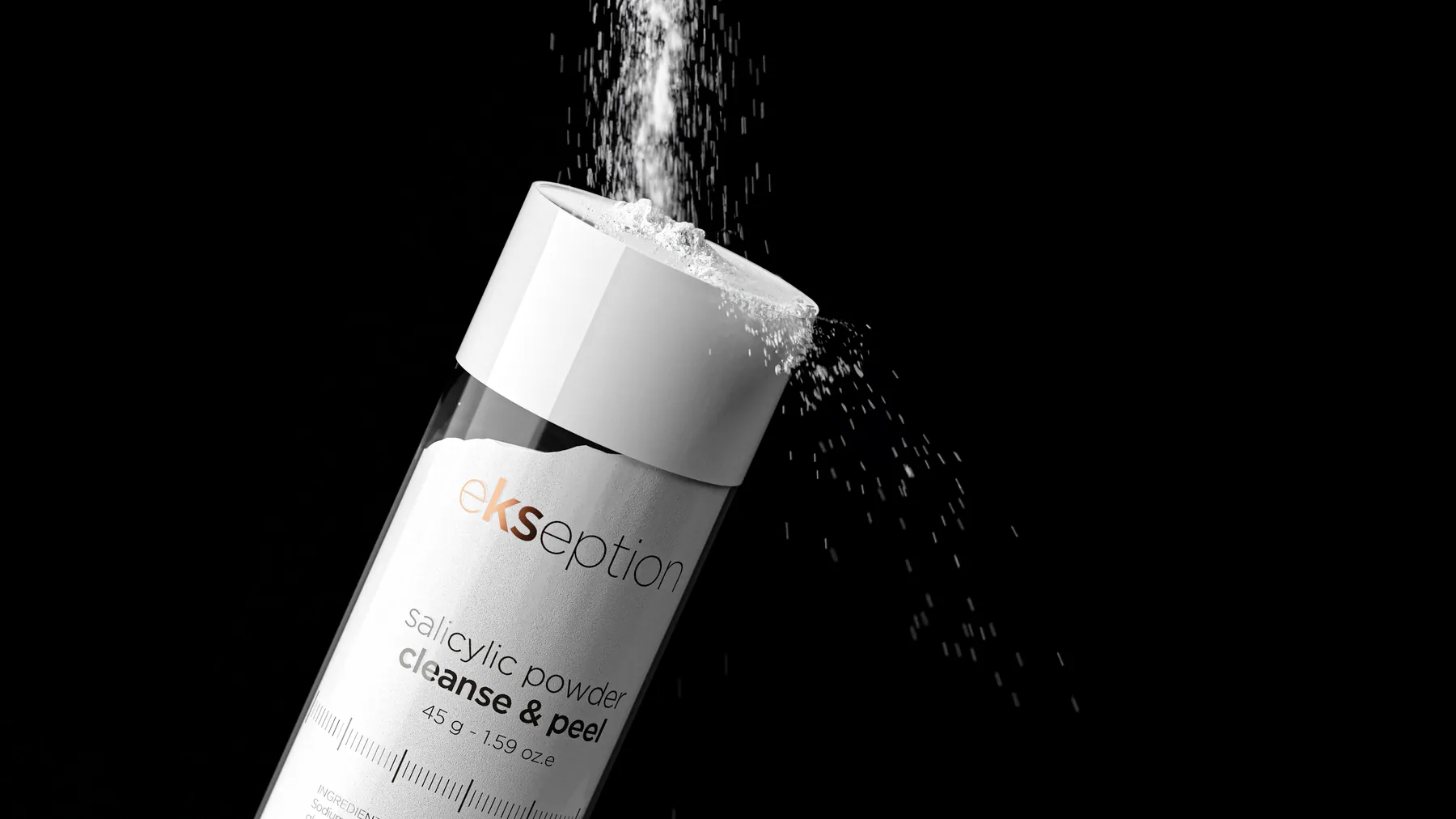
- Cleanse twice a day with a salicylic cleanser — a foam or a powder that turns into foam with water.
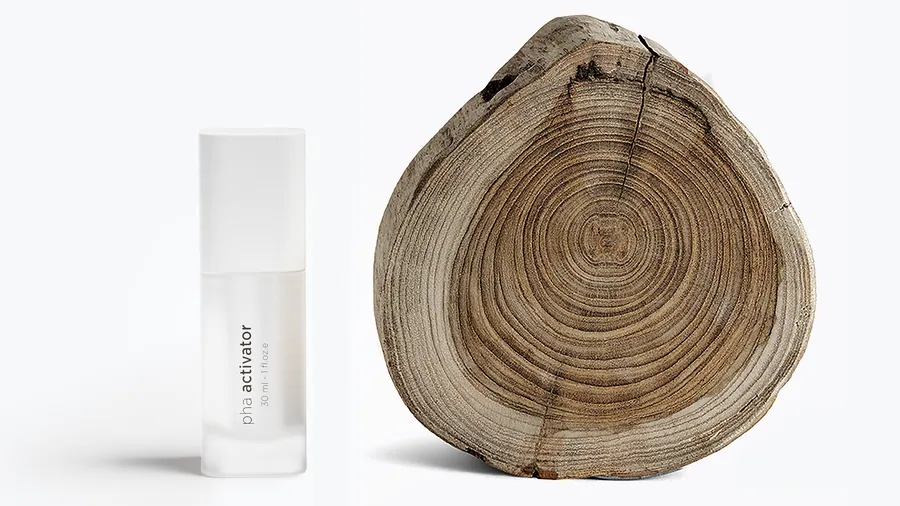
- Treat in the evening with a purifying serum or activator, a few nights a week at first.
- Hydrate lightly. Oily skin also needs water: choose a light, non-greasy texture.
- Protect every morning with a broad-spectrum sunscreen.
Avoid scrubbing or drying the skin out: aggressive cleansing can make the skin produce more oil.
When to choose a professional peel
For marked congestion, persistent blemishes or post-blemish marks, a series of superficial peels in the treatment room works deeper and faster than home care alone. The professional chooses the peel, prepares the skin and plans the home routine between sessions — see what to expect before and after a professional peel.
Salicylic acid in the ekseption range
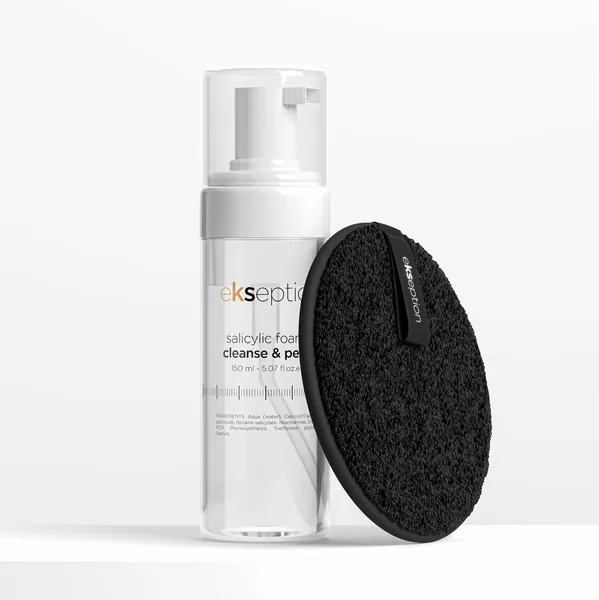
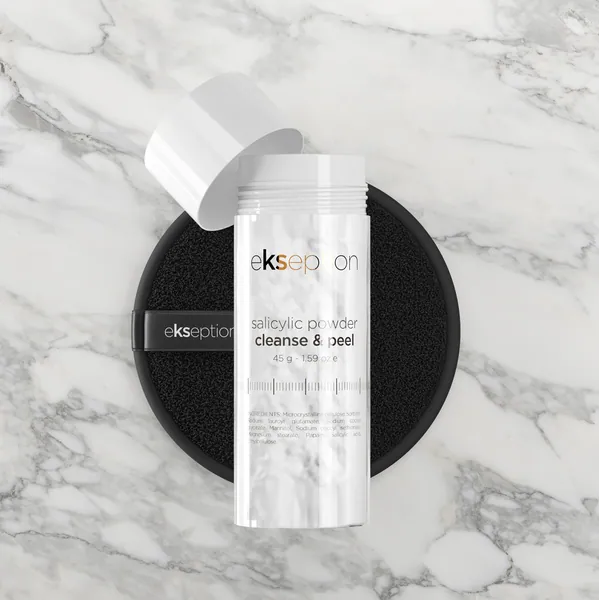
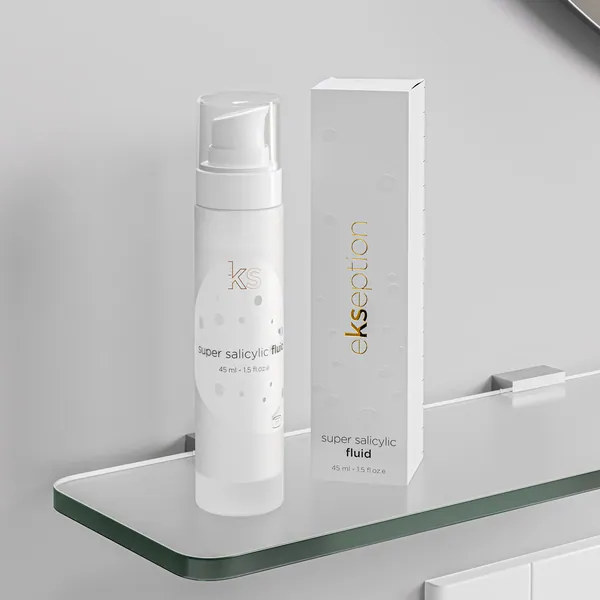
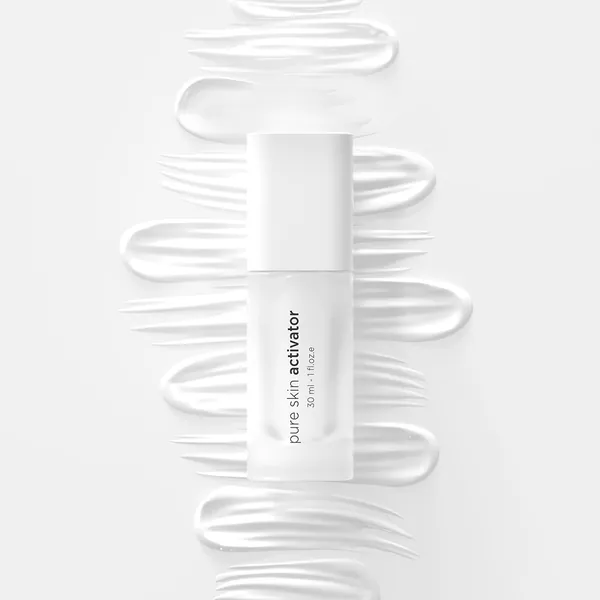
At home: the salicylic foam cleanse & peel and salicylic powder cleanse & peel cleansers, the super salicylic fluid serum and the pure skin activator. In the treatment room: the pure skin peel, for oily, congested and blemish-prone skin, and the pure glow peel. Each formula combines salicylic acid with other organic acids and soothing ingredients, at a measured pH.
Questions
Is salicylic acid an AHA or a BHA?
Salicylic acid is a beta-hydroxy acid (BHA). Unlike AHAs such as glycolic or lactic acid, it dissolves in oil, which lets it work inside the pores.
Can I use salicylic acid every day?
In a gentle cleanser, usually yes. Leave-on treatments are best introduced gradually, a few evenings a week, and always with a daily sunscreen. If the skin feels tight or irritated, use them less often.
Is salicylic acid suitable for darker skin?
Salicylic acid peels have been documented in a wide range of skin types, including darker phototypes. A professional peel should always be chosen and applied by a trained professional after a skin assessment.
Sources
Looking for a treatment?
ekseption peels are applied by trained professionals. Find a professional who works with ekseption near you, or ask us.
Find a professional