A daily sunscreen is the most effective anti-ageing product there is. In a randomised trial, adults who used a broad-spectrum sunscreen every day showed no detectable increase in skin ageing over four and a half years (Hughes et al., 2013). The question is not whether to wear one, but which one.
What SPF means
SPF (sun protection factor) measures protection against UVB, the rays that cause sunburn. The higher the number, the higher the protection. UVA rays penetrate deeper and drive photo-ageing — wrinkles, loss of firmness, dark spots — so look for broad-spectrum protection that covers both.
Which SPF for which day?
| Your day | Choose |
|---|---|
| Long time outdoors, beach, mountains, strong sun | SPF 50 |
| After a peel, prone to dark spots or melasma | SPF 50, every day |
| City life, short times outdoors | SPF 25 to 30 |
| Mostly indoors, near windows | A light SPF 15 serum |
Beyond the SPF number
- Antioxidants help neutralise the free radicals UV creates. Ferulic acid is a classic partner of sun filters.
- Gentle filters matter for sensitive skin: some UV filters are known to irritate or sting the eyes.
- Texture decides whether you will wear it every day: light, non-greasy, no white cast.
How to apply sunscreen
- Apply it as the last step of your morning routine, on clean, dry skin.
- Use a generous amount and cover the whole face, ears and neck.
- Re-apply every two hours outdoors, and after swimming or intense sweating.
The ekseption all-day shield sunscreens
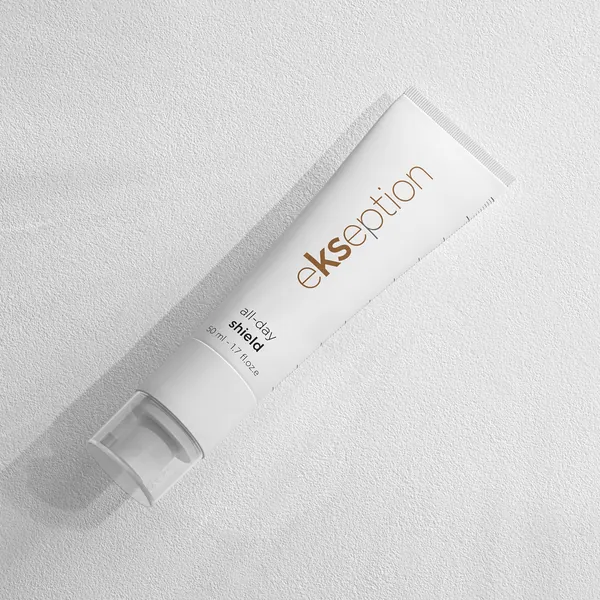
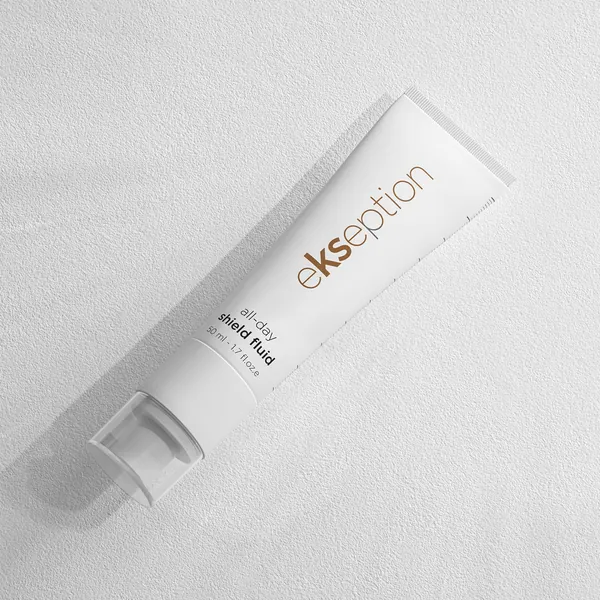
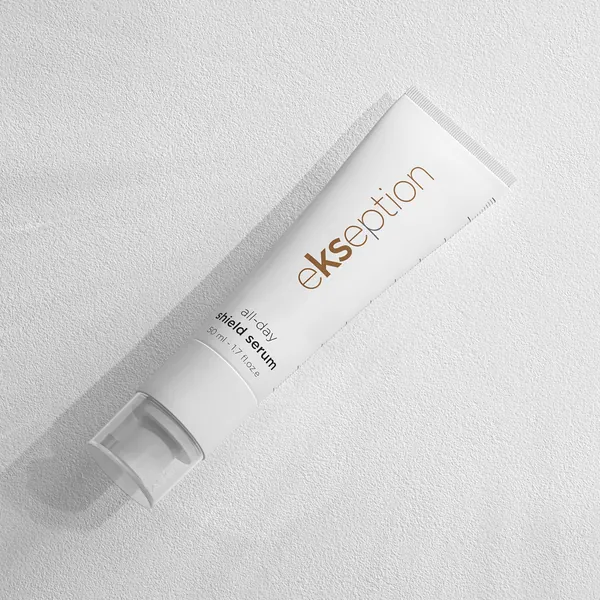
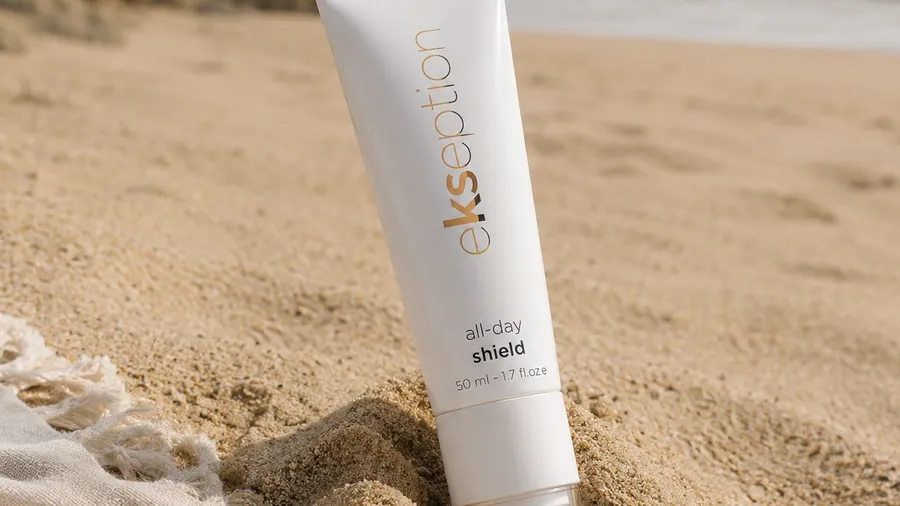
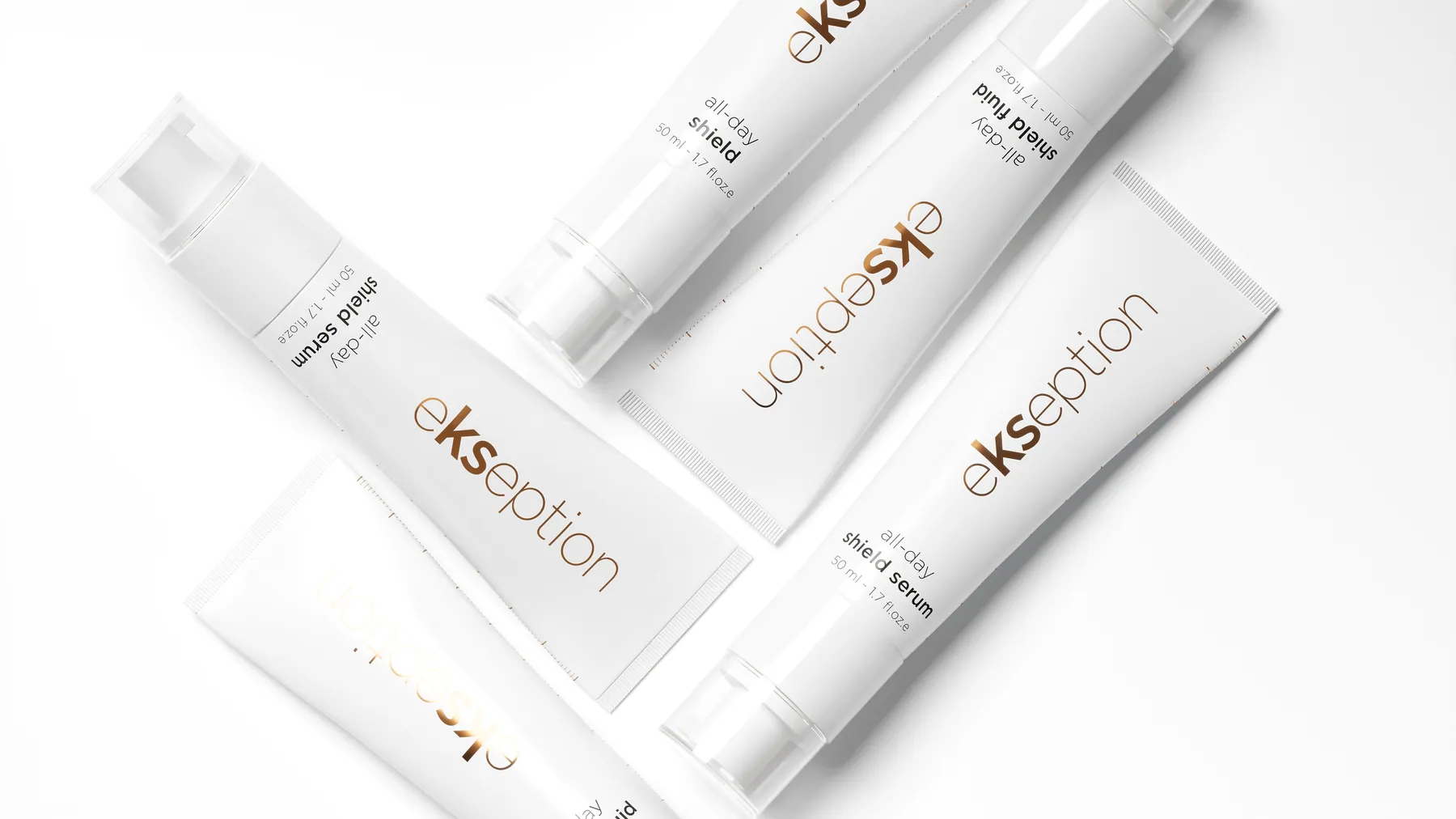
Launched in 2025, the three all-day shield sunscreens combine broad-spectrum UVA/UVB protection with ferulic acid and natural SPF boosters such as mycosporine-like amino acids from algae, which help protect against photo-ageing:
- all-day shield SPF 50 — for strong sun, after a peel and for skin prone to dark spots.
- all-day shield fluid SPF 25 — a light fluid for everyday protection.
- all-day shield serum SPF 15 — a serum texture for days mostly indoors and post-procedure care.
All three have a lower pH than conventional sunscreens, a light oil-in-water texture with no white cast, and are formulated without endocrine-disrupting filters such as benzophenones, octocrylene or camphor derivatives, and without salicylate filters that can irritate. They do not sting the eyes and suit sensitive and sensitised skin, including after a peel. Read summer skin care and can you have a peel in summer?
Questions
Is SPF 15 enough?
For a day mostly indoors, near windows or with short trips outside, a light SPF 15 can be enough. For time outdoors, choose SPF 30 or higher, and SPF 50 in strong sun or after a peel.
How much sunscreen should I apply?
Generously: most people apply too little. Cover the whole face, ears and neck, and re-apply every two hours when outdoors, after swimming or sweating.
Can I use sunscreen after a peel?
Yes, and you must. Choose a formula for sensitive skin that does not sting, and apply it every day while the skin renews.
Sources
Looking for a treatment?
ekseption peels are applied by trained professionals. Find a professional who works with ekseption near you, or ask us.
Find a professional