Hyaluronic acid is one of the best-known names in skin care — and one of the most misunderstood. It is not a single ingredient, but a family of molecules of different sizes, and that size changes what it does.
What is hyaluronic acid?
Hyaluronic acid is a sugar molecule naturally present in the skin, where it helps hold water between the cells. It is known for its very strong water-binding capacity, which keeps the skin supple, plump and comfortable. With age and sun exposure, the skin holds less water, and fine lines show more.
Applied to the skin, hyaluronic acid brings:
- Hydration that the skin feels at once.
- Smoother texture and softer-looking fine lines, as the surface is plumped with water.
- Suppleness, because well-hydrated skin is more elastic.
- Comfort, which makes it a good partner for sensitive skin and for skin that is renewing after a peel.
High or low molecular weight: what is the difference?
The molecular weight describes the size of the hyaluronic acid chains:
- High molecular weight hyaluronic acid forms a light, breathable film on the skin. It hydrates and smooths the surface immediately.
- Low molecular weight hyaluronic acid — sometimes called fragmented or ultra-low — has smaller chains that can penetrate further into the upper layers of the skin.
A randomised study compared creams with hyaluronic acid of five different molecular weights, applied around the eyes for 60 days. All of them significantly improved skin hydration and elasticity compared with placebo, and the lower molecular weight forms also reduced wrinkle depth, which the authors relate to better penetration (Pavicic et al., 2011). A broader review of cosmetic studies reaches the same conclusion on its hydrating and smoothing effects (Bukhari et al., 2018).
How to use hyaluronic acid
- Apply on clean, slightly damp skin, so it has water to hold.
- Seal it in with a cream suited to your skin type — light for oily skin, richer for dry skin.
- Pair it with acids. Hyaluronic acid brings comfort while the skin renews, at home and after a professional peel.
- Protect every morning with a sunscreen.
Hyaluronic acid in the ekseption range
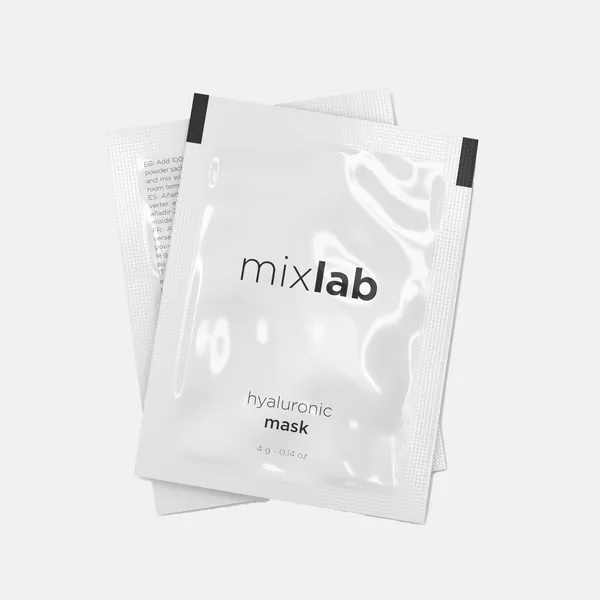
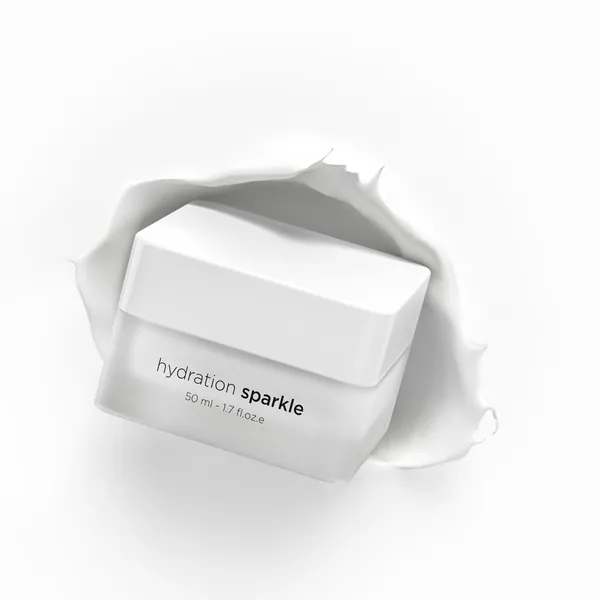
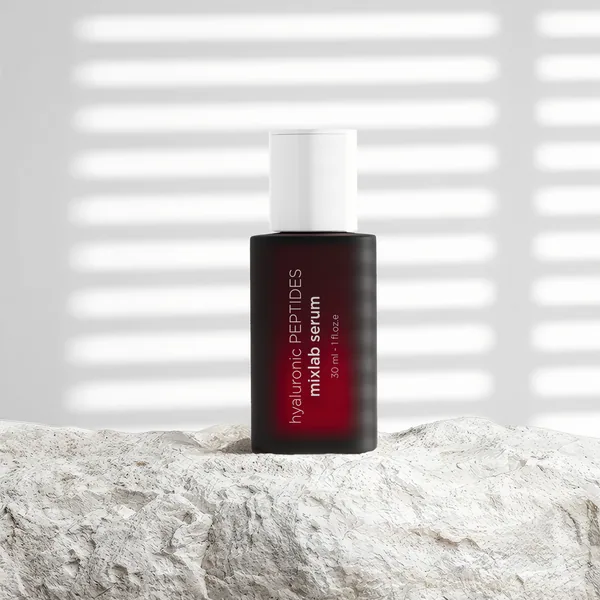
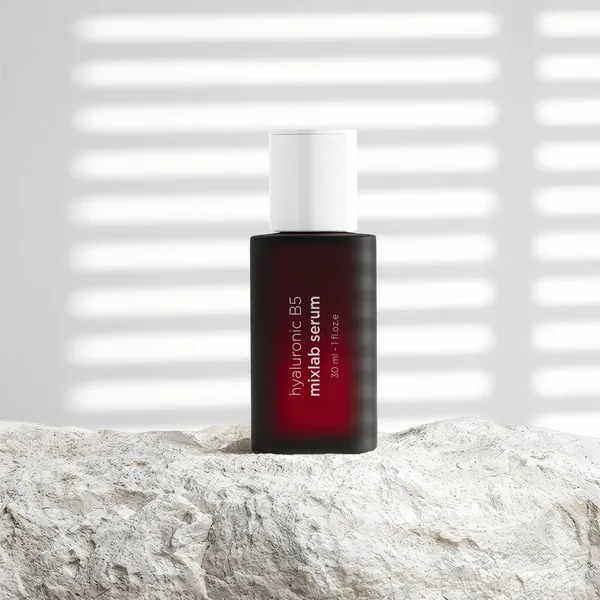
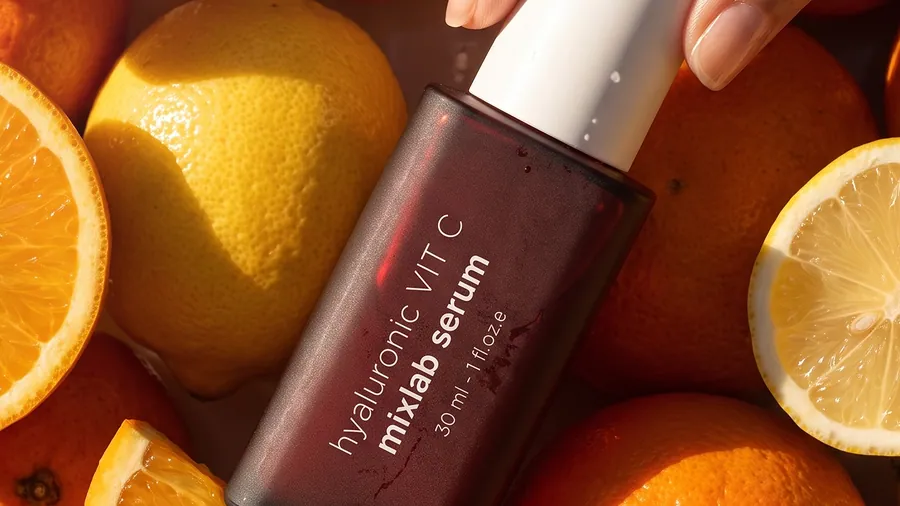
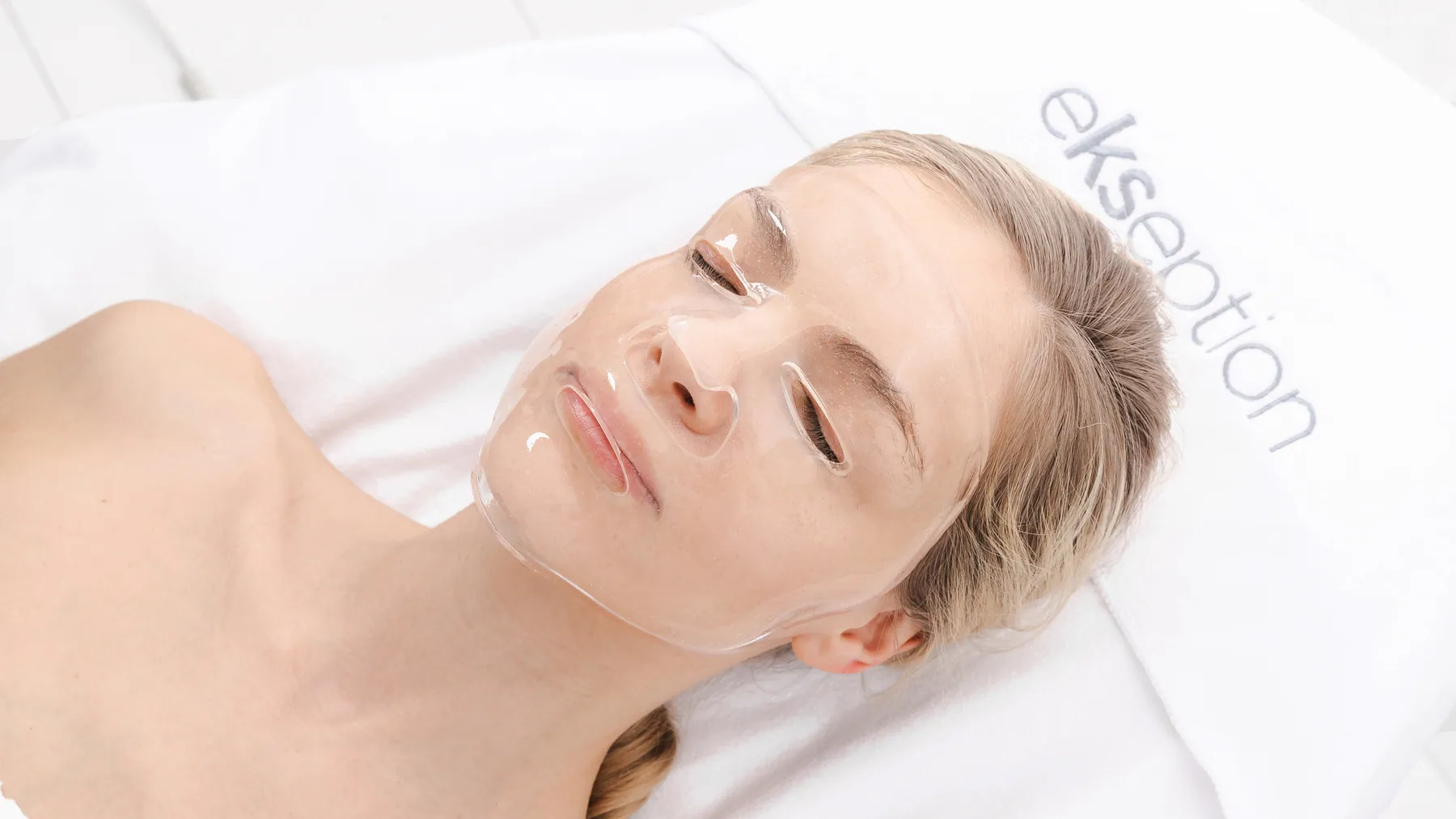
Every Mixlab serum is built on hyaluronic acid, combined with a targeted active — peptides, vitamin C, niacinamide, panthenol and more. In the treatment room, the hyaluronic mask is a natural powder that becomes a fresh, firm mask, and our professional peels — such as the soft touch peel — include an ultra-low molecular weight hyaluronic acid for comfort during the renewal. At home, hydration sparkle is a light cream for all skin types. Read more about personalising a treatment with Mixlab serums.
Questions
Does hyaluronic acid suit every skin type?
Yes. Hyaluronic acid is naturally present in the skin and is very well tolerated. Oily skin benefits from light gels and serums, dry skin from richer creams that also contain lipids.
Is low molecular weight hyaluronic acid better?
Not better — different. High molecular weight forms hydrate and smooth the surface; low molecular weight forms penetrate further. Formulas that combine several sizes work at several levels.
Can hyaluronic acid be used with acids and peels?
Yes, and it is a good partner: it brings comfort and hydration while the skin renews. Many professionals use it right after a peel.
Sources
- Pavicic T, et al. Efficacy of cream-based novel formulations of hyaluronic acid of different molecular weights in anti-wrinkle treatment. J Drugs Dermatol. 2011;10(9):990-1000.
- Bukhari SNA, et al. Hyaluronic acid, a promising skin rejuvenating biomedicine: a review of recent updates and pre-clinical and clinical investigations on cosmetic and nutricosmetic effects. Int J Biol Macromol. 2018;120(Pt B):1682-1695.
Looking for a treatment?
ekseption peels are applied by trained professionals. Find a professional who works with ekseption near you, or ask us.
Find a professional