Chemical peels are one of the most effective treatments for improving the quality of the skin — texture, tone, blemishes, signs of ageing. They apply an acid solution that renews the outer layers in a controlled way, to reveal smoother, more even skin. A review of the field notes that superficial peels have grown in both popularity and diversity, and remain a cost-effective tool when used for the right indication with proper technique (Soleymani et al., 2018).
The three depths of peel
| Depth | Typical agents | Works on | Downtime | Who performs it |
|---|---|---|---|---|
| Superficial | Organic acids: lactic, mandelic, salicylic, phytic, PHAs | Epidermis | Little or none | Trained beauty professionals |
| Medium | TCA (trichloroacetic acid) | Epidermis and upper dermis | Several days | Medical professionals |
| Deep | Phenol | Deeper dermis | Weeks | Medical procedure |
Superficial peels improve dull skin, uneven texture and tone, blemishes and the first signs of ageing. They can be repeated every few weeks as a series.
Medium peels address deeper wrinkles, pigmentation and marks, but need a recovery period and careful aftercare.
Deep peels are reserved for severe photo-ageing; today they are rarely performed, and lasers have largely replaced them.
Safety essentials in the treatment room
- Assess the skin first: skin type, sensitivity, previous reactions to acids, recent treatments, medications and any condition that contraindicates a peel.
- Prepare the skin with a home routine before the first session.
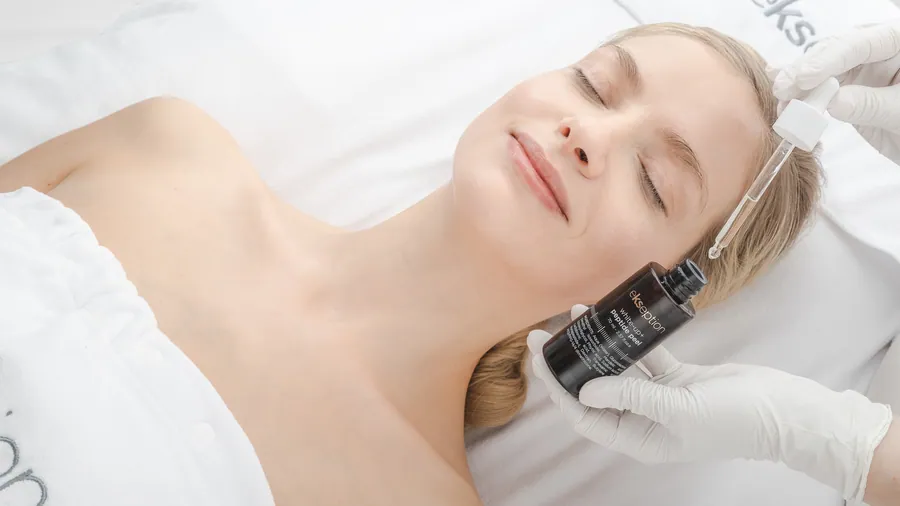
- Protect yourself and your client: gloves, eye protection, a protected work area.
- Follow the protocol exactly: application, contact time, number of layers, neutralisation.
- Plan the aftercare: repair creams, soothing products and a broad-spectrum sunscreen every day.
- Keep learning: formulations and techniques evolve constantly.
What makes ekseption peels different
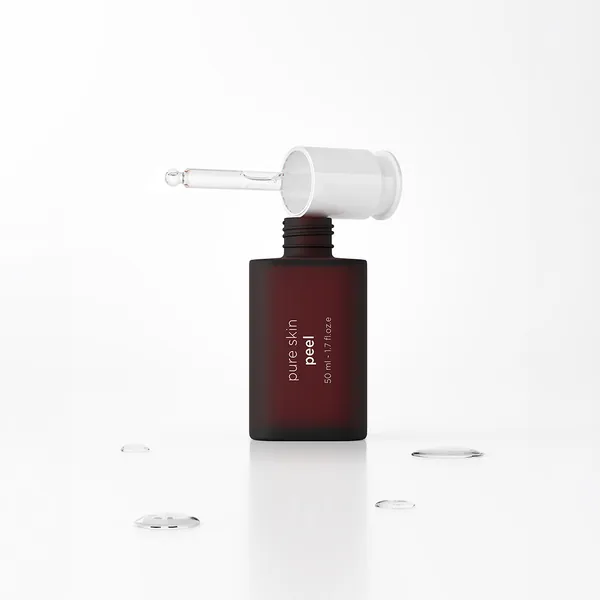
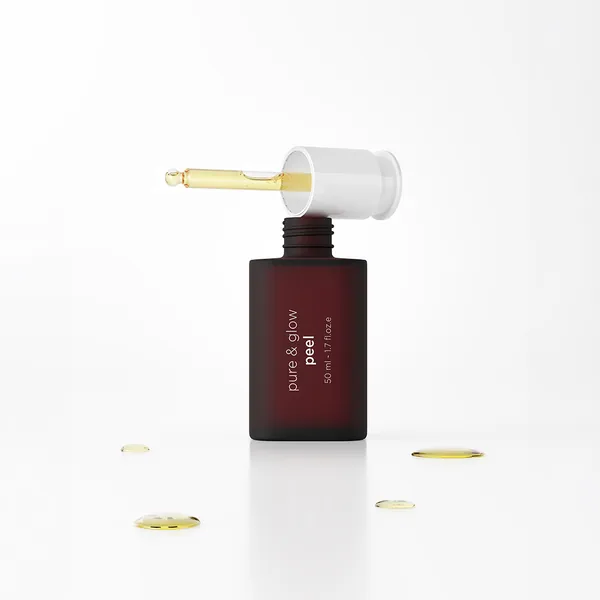
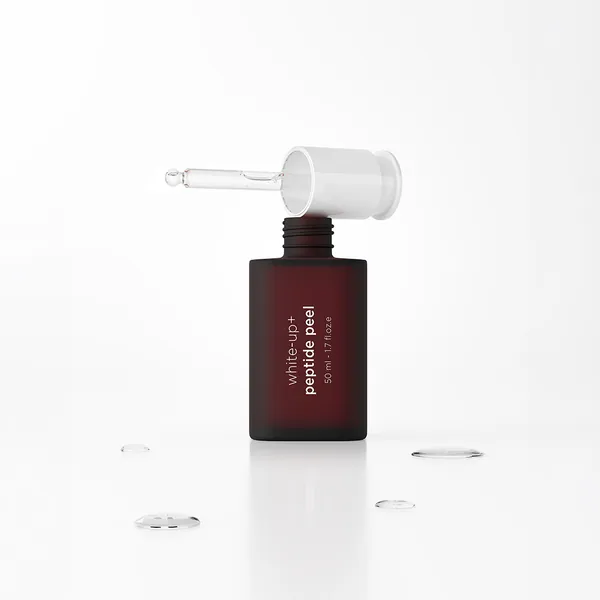
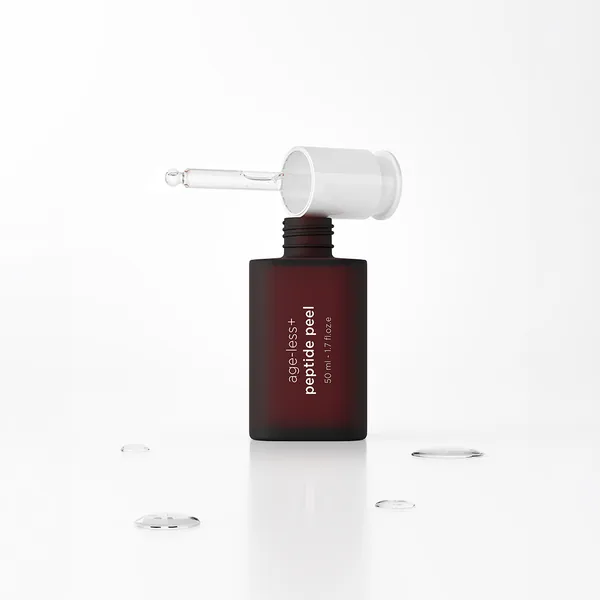
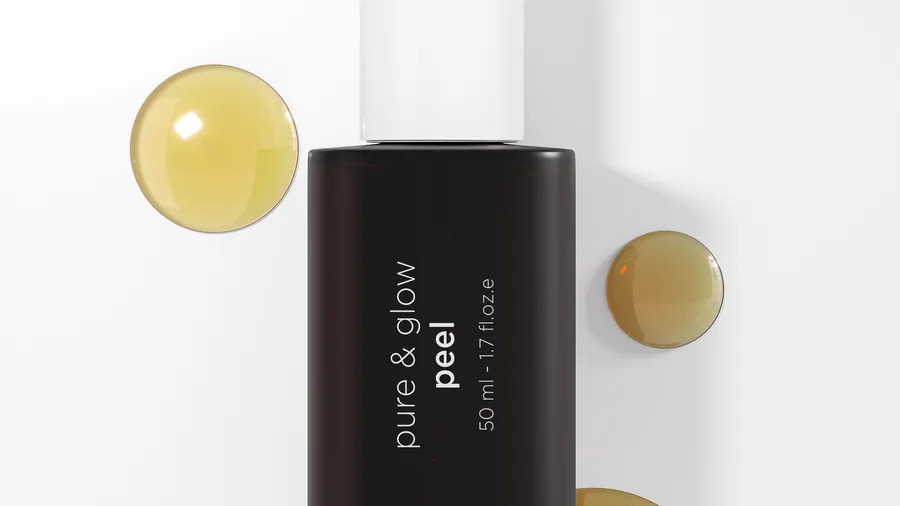
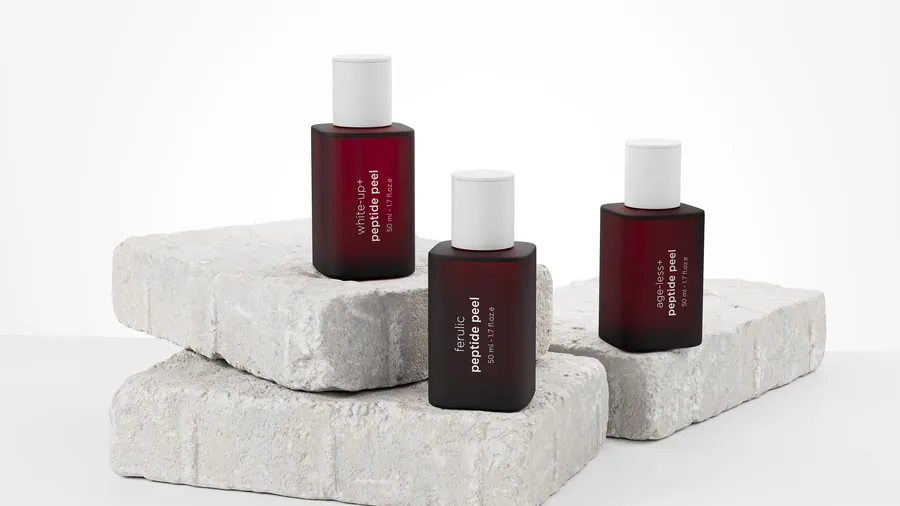
ekseption formulates superficial peels exclusively with organic acids — no TCA, no phenol — combined with peptides and soothing actives:
- They support the skin’s own renewal rather than injuring it.
- Gentle formulations, alcohol-free and without harsh buffers, thanks to the DMKS delivery system that spreads the acids evenly for a gradual penetration.
- Polyhydroxy acids (PHAs) in several peels, for a gentler action on sensitive skin.
- A gel texture with hyaluronic acid, for even application and hydration during the treatment.
- A gradual action that keeps the risk of side effects such as post-inflammatory pigmentation low when the protocol is followed.
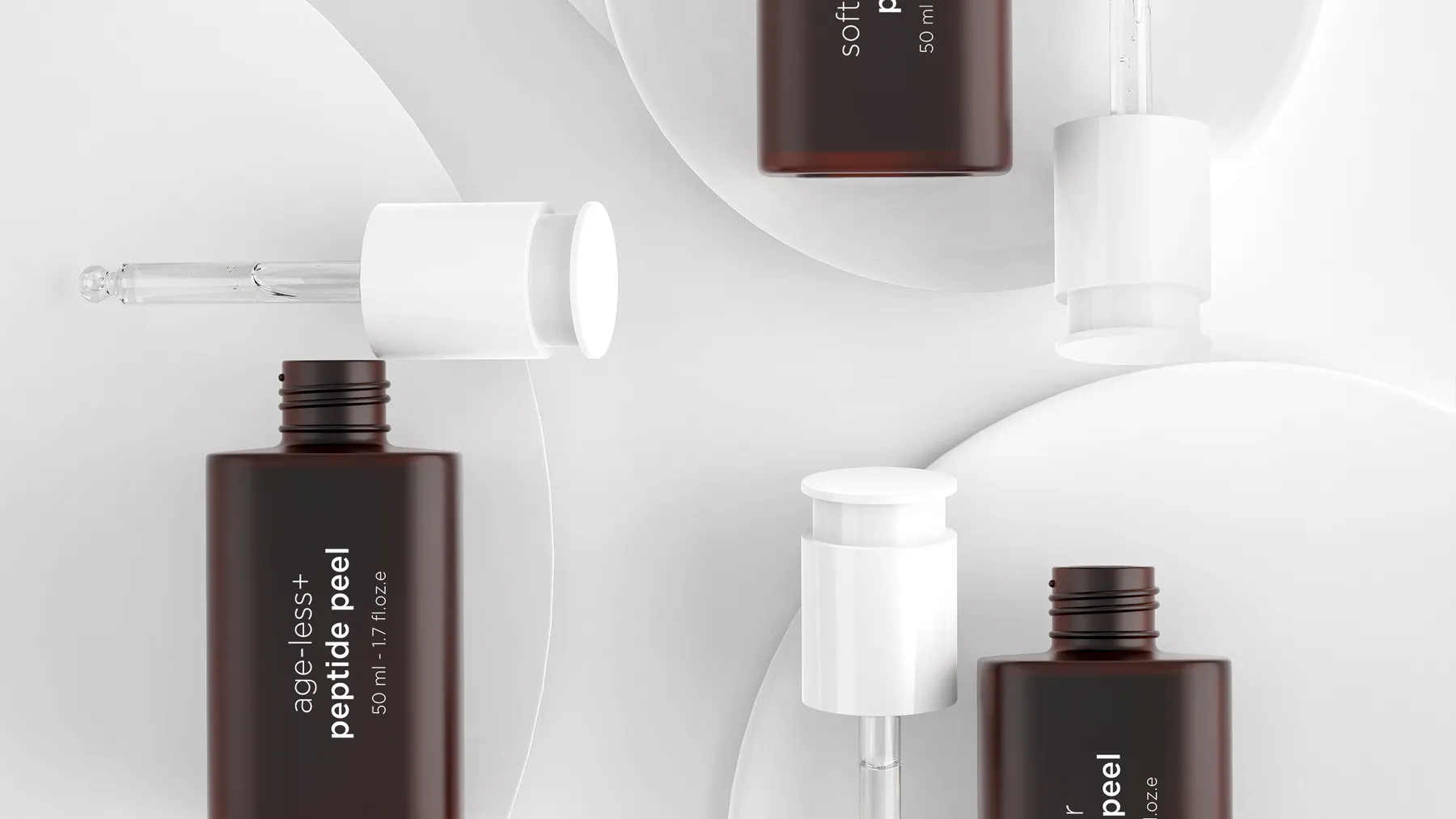
There is an ekseption peel for each concern — pigmentation, blemishes, redness, signs of ageing, sensitive skin, radiance — and each one can be personalised with a Mixlab serum. Read how to add peels to your treatment menu.
The step-by-step protocols, training videos and the treatment planner are in the ekseption Academy, the free online space for spas, clinics and beauty salons.
Questions
How often can superficial peels be repeated?
Superficial peels are usually done as a series, every few weeks, then as maintenance. The exact rhythm depends on the peel, the skin and the season, and is set out in each protocol.
What is the difference between a peel and an exfoliating home product?
A professional peel works at a lower pH and under the control of a trained professional, for a deeper renewal in one session. Home products renew gently and keep the results between sessions.
Can ekseption peels be used on darker skin?
ekseption superficial peels use organic acids with a gradual penetration, which suits many skin types. As always, a skin assessment comes first, and the protocol is adapted to the skin.
Sources
For spas, clinics and beauty salons
Protocols, training videos and the treatment planner are in the ekseption Academy. Free for professionals.
Create your Academy account