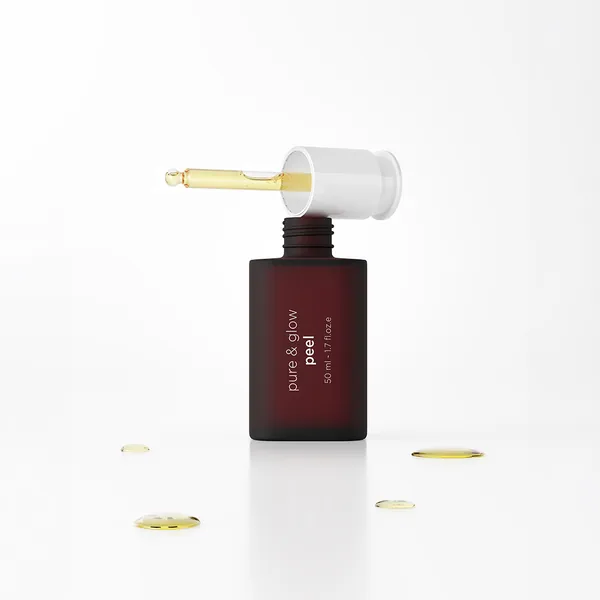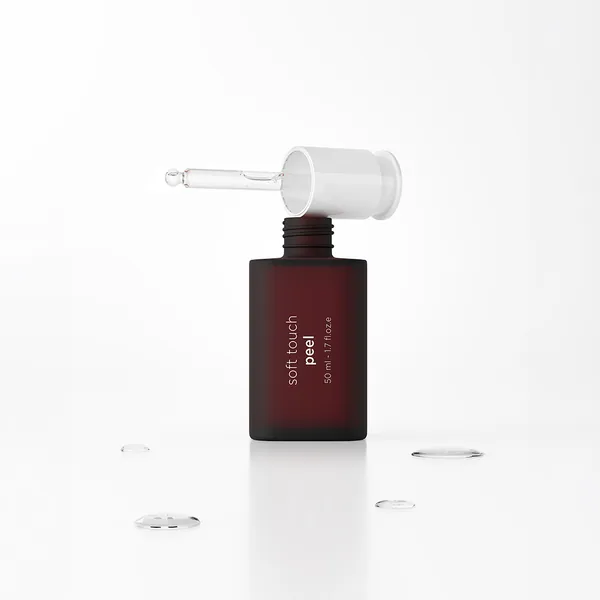
Our skin renews itself all the time. New cells form in the deeper layers of the epidermis, rise to the surface and are shed after about four weeks in young skin — and more slowly with age, sun exposure or stress. When dead cells accumulate, the complexion looks dull, pores look congested, fine lines and dark spots show more.
Skin resurfacing helps the skin do what it already does, faster and more evenly.
How do organic acids renew the skin?
Organic acids — alpha-hydroxy acids (AHAs) such as lactic and mandelic acid, beta-hydroxy acids (BHAs) such as salicylic acid, and polyhydroxy acids (PHAs) such as gluconolactone and lactobionic acid — loosen the bonds between the dead cells of the surface. Those cells come off, and the fresher cells underneath come up.
Each family has its own personality:
- AHAs renew the surface and support hydration.
- BHAs dissolve in oil and work inside the pores, which suits oily and blemish-prone skin.
- PHAs have large molecules that penetrate slowly: they exfoliate gently, moisturise and suit sensitive skin.
Read more in our article on which acid for which skin.
Why the pH matters
An acid only works if the formula is at the right pH. The lower the pH, the stronger the action — and the higher the risk of irritation. That is why ekseption sets every formula to a measured pH:
- Professional peels work at a low pH, in the treatment room, under the control of a trained professional.
- Home care stays close to the natural pH of the skin surface, to keep renewing it gently and protect its barrier.
The pH scale of our range shows where each product sits. To understand why the skin likes to stay slightly acidic, read why skin pH matters.
Resurfacing step by step
- Assessment. The professional looks at the skin type, its concerns and its tolerance.
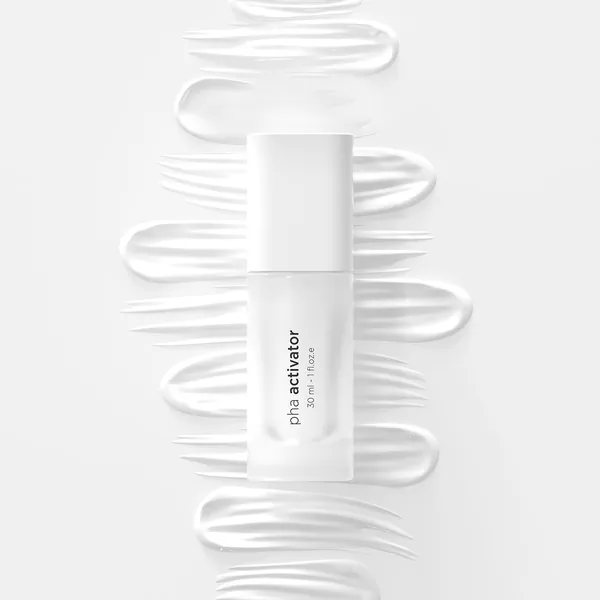
- Preparation at home. A gentle cleanser and an activator get the skin used to acids.
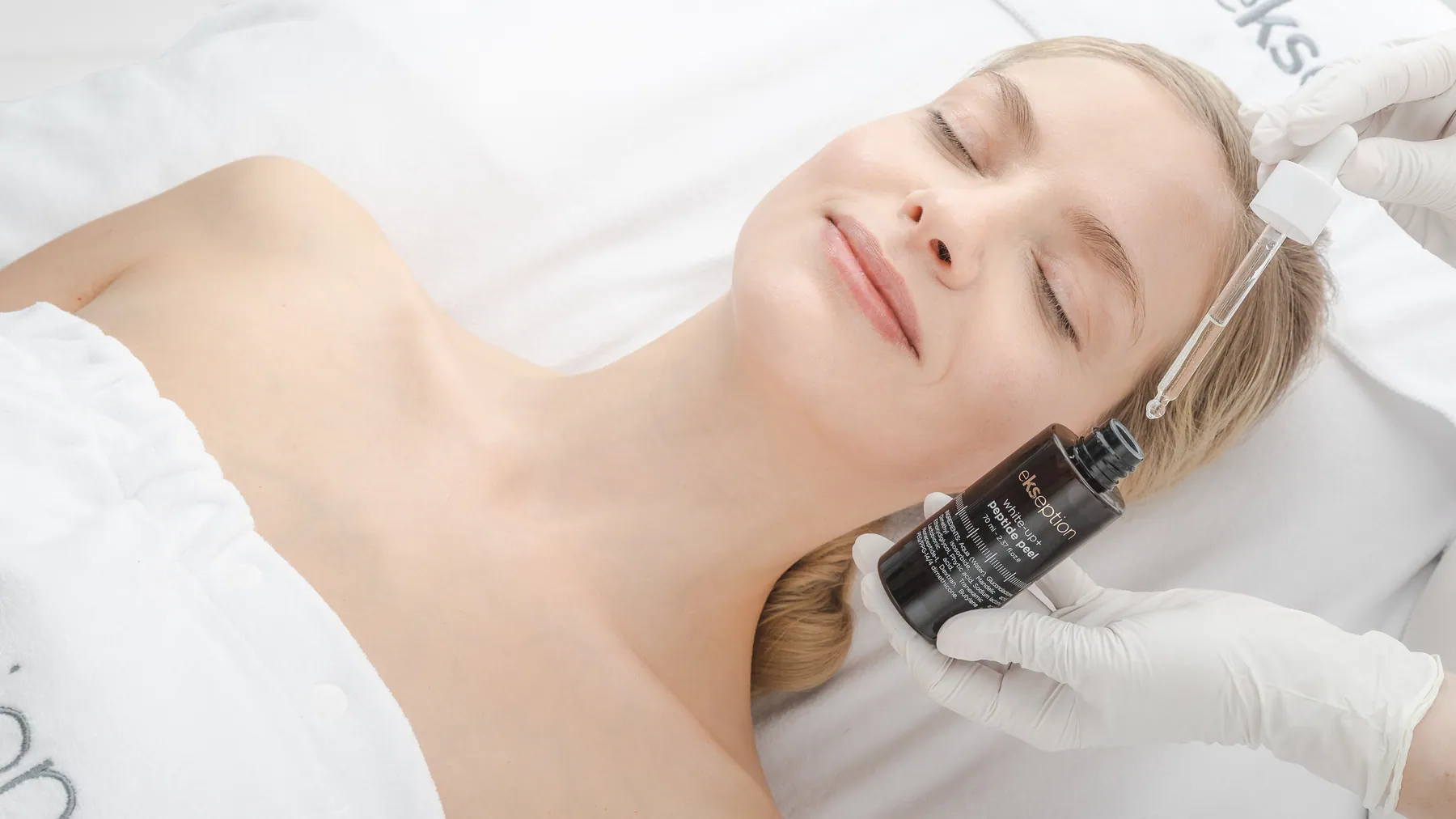
- Professional peel. The peel is chosen for the concern — pigmentation, blemishes, redness, signs of ageing — and can be personalised with a Mixlab serum.
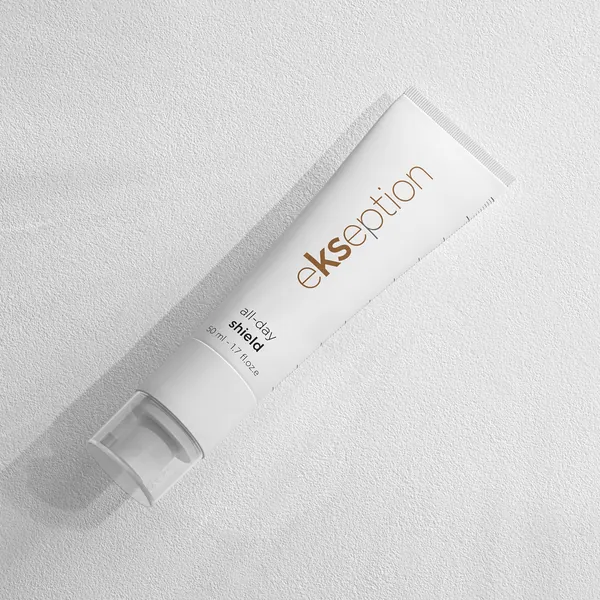
- Recovery and maintenance. Repair creams and a daily sunscreen protect the renewed skin and keep the results.
Why does skin look brighter after resurfacing?
Radiance is largely a matter of light. A rough surface covered with dead cells reflects light unevenly, so the complexion looks dull. When those cells are released gradually, the surface becomes smoother and reflects light more evenly: the skin looks fresher and more luminous.
Visible peeling or strong stinging are not signs that a treatment works better. A peel that is too aggressive can weaken the skin barrier and cause unnecessary inflammation. Good resurfacing balances three things: renewal, tolerance and recovery.
What results can you expect?
Smoother texture, a more even tone and more radiance appear progressively, session after session. A series of treatments, spaced over several weeks and supported by the right home routine, gives the most lasting results.
How ekseption approaches resurfacing
ekseption formulates exclusively with organic acids, combined with peptides, hyaluronic acid and natural extracts. Our peels use the DMKS delivery system: alcohol-free and without harsh buffers, for a gradual penetration and minimal irritation. The aim is a more gradual approach, just as effective as some aggressive treatments, for many skin types and concerns.
Radiant skin depends on regular renewal, a healthy barrier, good hydration and daily protection — resurfacing works on all four. Looking for a treatment? Find a professional who works with ekseption or ask us to find one near you.
Questions
Is skin resurfacing the same as a chemical peel?
A professional peel is one step of skin resurfacing. Resurfacing is the whole approach: the peel in the treatment room, then a home routine with gentle acids, repair creams and sun protection that keeps the renewal going between sessions.
Does skin resurfacing make the skin thinner?
No. Well-conducted resurfacing removes only the dead cells of the surface and stimulates renewal. Gentle acids such as PHAs even help the skin retain moisture and support its barrier.
Who can have skin resurfacing?
Most skin types, including sensitive skin, when the acids and the pH are chosen for the skin. A trained professional assesses the skin first and adapts the peel and the home routine.
Looking for a treatment?
ekseption peels are applied by trained professionals. Find a professional who works with ekseption near you, or ask us.
Find a professional