Few skincare ingredients have as much research behind them as retinol. It is often called the gold standard for skin ageing — and it also helps blemish-prone skin and uneven tone.
What is retinol?
Retinol is a form of vitamin A and belongs to the retinoid family. Once applied, the skin converts it, step by step, into retinoic acid, the form that acts on skin cells. This gradual conversion is why retinol is gentler than prescription retinoids — and why it takes a few weeks to show results.
What does retinol do for the skin?
- Fewer visible wrinkles. In a comparative study, retinol applied for four weeks thickened the epidermis and increased collagen markers in the skin, and 12 weeks of use significantly reduced facial wrinkles (Kong et al., 2016). The effects were similar to retinoic acid, though smaller.
- Smoother texture and a more even tone. By speeding up renewal, retinol helps shed dull surface cells.
- Help for blemish-prone skin. It helps keep pores clear and regulates the look of oily skin.
- Fewer visible sun spots with regular use.
Who can use retinol?
Most skin types, provided it is introduced gradually. Mature skin uses it for firmness and wrinkles; younger skin for blemishes and texture. Very sensitive or reactive skin should ask a professional first. Retinol is not recommended during pregnancy or breastfeeding.
How to start without irritation
- Apply it in the evening, on clean, dry skin.
- Start two or three evenings a week, then increase as your skin gets used to it.
- Do not combine it at first with other strong actives such as exfoliating acids.
- Moisturise well — retinol can dry the skin in the first weeks.
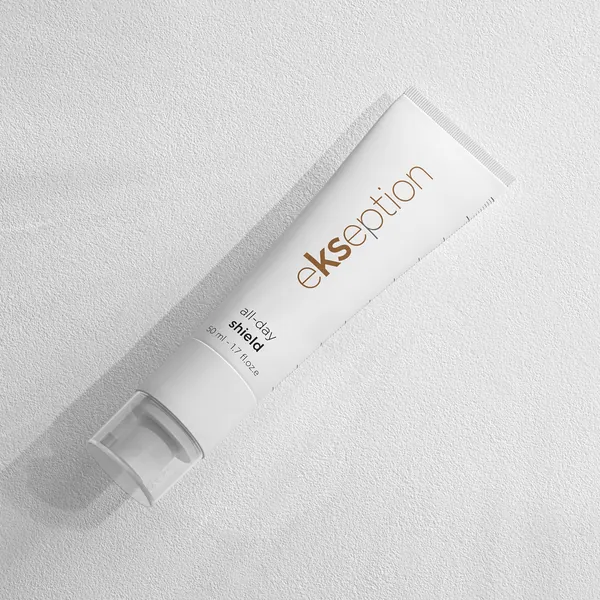
- Use a broad-spectrum sunscreen every morning, because the renewed skin is more sensitive to UV.
Retinol in the ekseption range
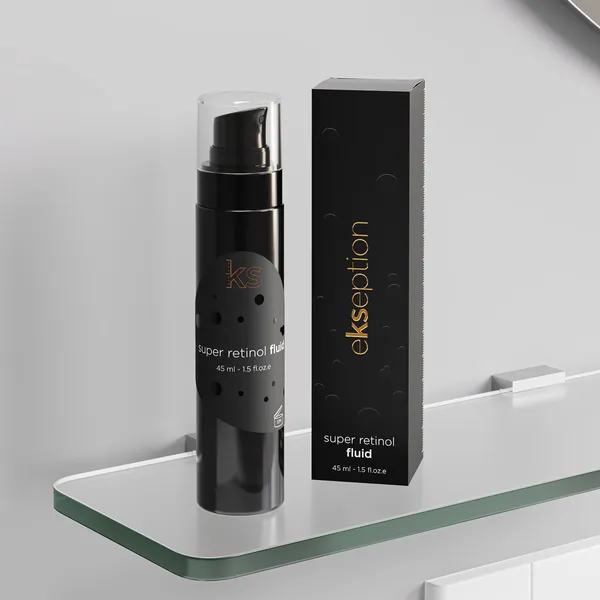
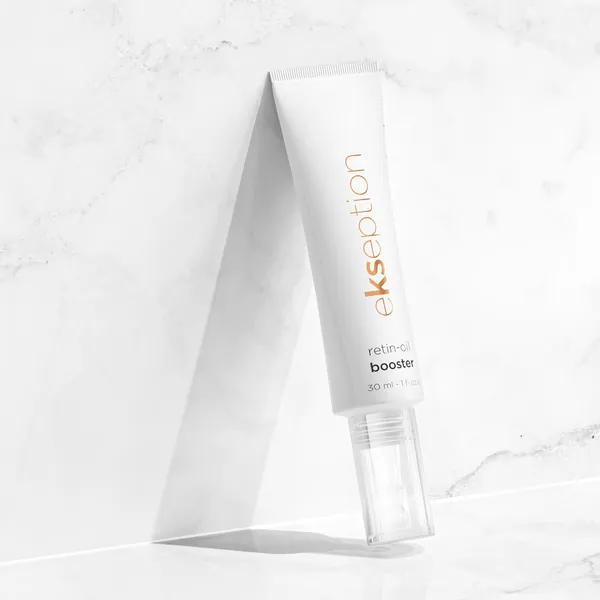
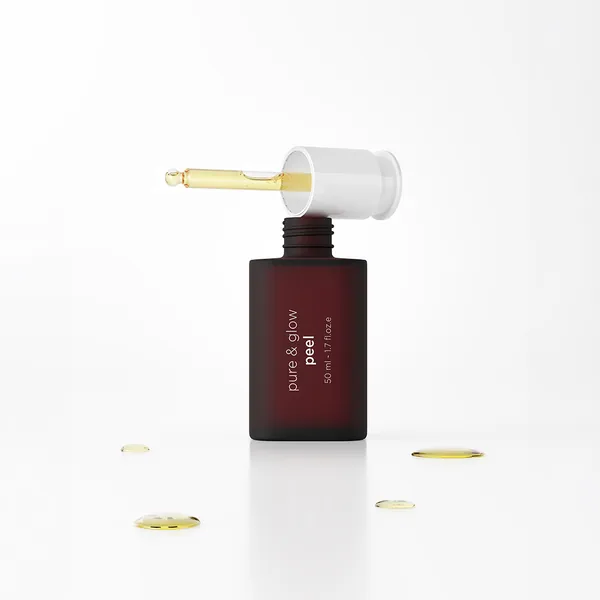
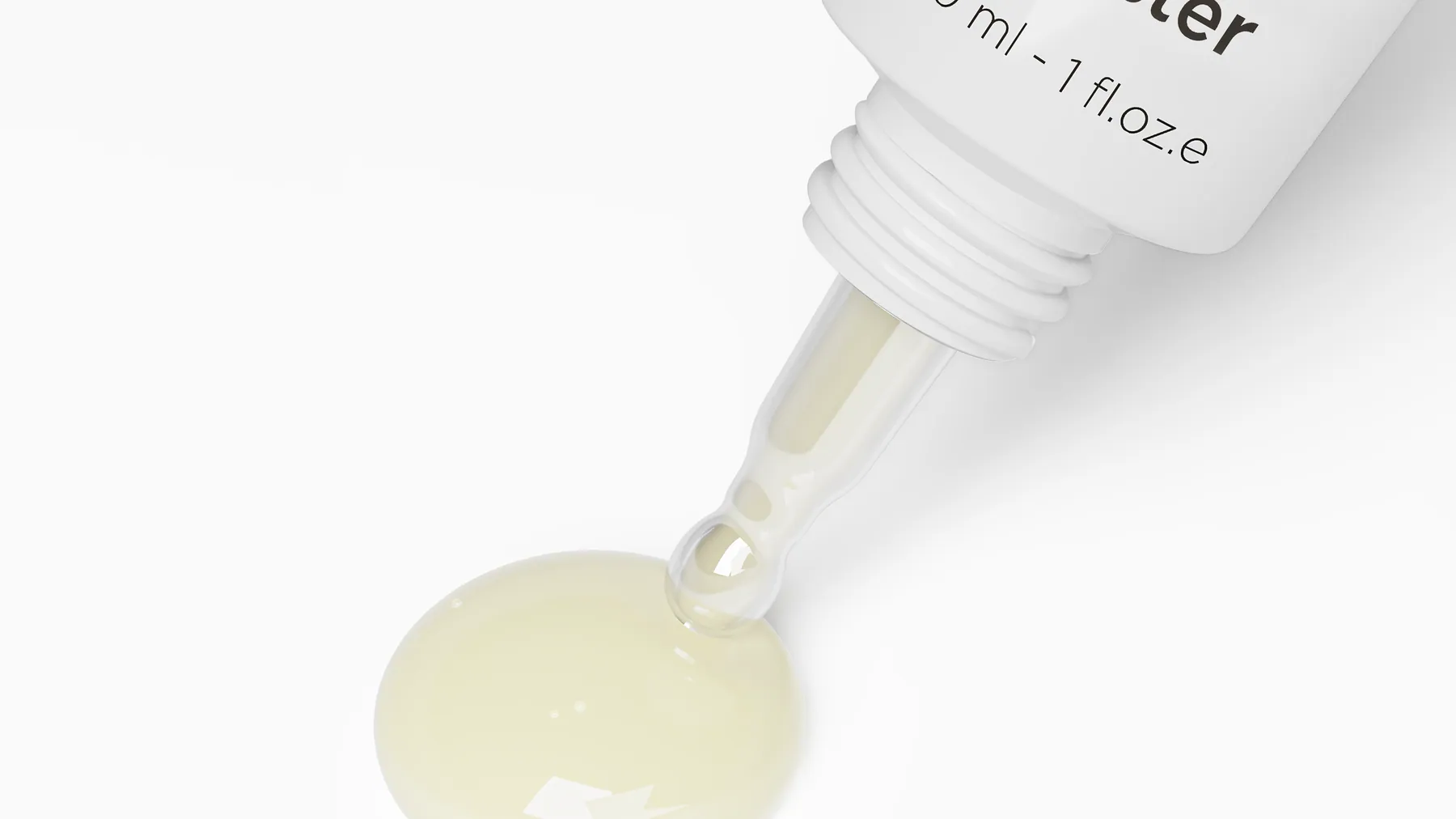
For home care, ekseption offers two retinol formulas: super retinol fluid, a serum with encapsulated retinol and bakuchiol for better tolerance, and retin-oil booster, a concentrated formula with encapsulated retinol, ideal for dry skin or as a night-time booster. In the treatment room, the pure & glow peel combines retinol with salicylic and azelaic acids — read about the pure & glow peel. A skin professional will tell you which one suits your skin and how often to use it.
Questions
At what age can you start using retinol?
There is no single age. Mature skin uses it for signs of ageing; younger, blemish-prone skin can benefit from its renewing effect. A skin professional can tell you when and how to start.
Can I use retinol with acids?
Not at the start. Introduce retinol on its own, then, once your skin tolerates it, a professional can show you how to alternate it with acids on different evenings.
Why does retinol make the skin peel at first?
Retinol speeds up renewal, so the skin can feel dry or flake slightly for the first weeks. Use it less often and moisturise more; this usually settles as the skin adapts.
Sources
Looking for a treatment?
ekseption peels are applied by trained professionals. Find a professional who works with ekseption near you, or ask us.
Find a professional