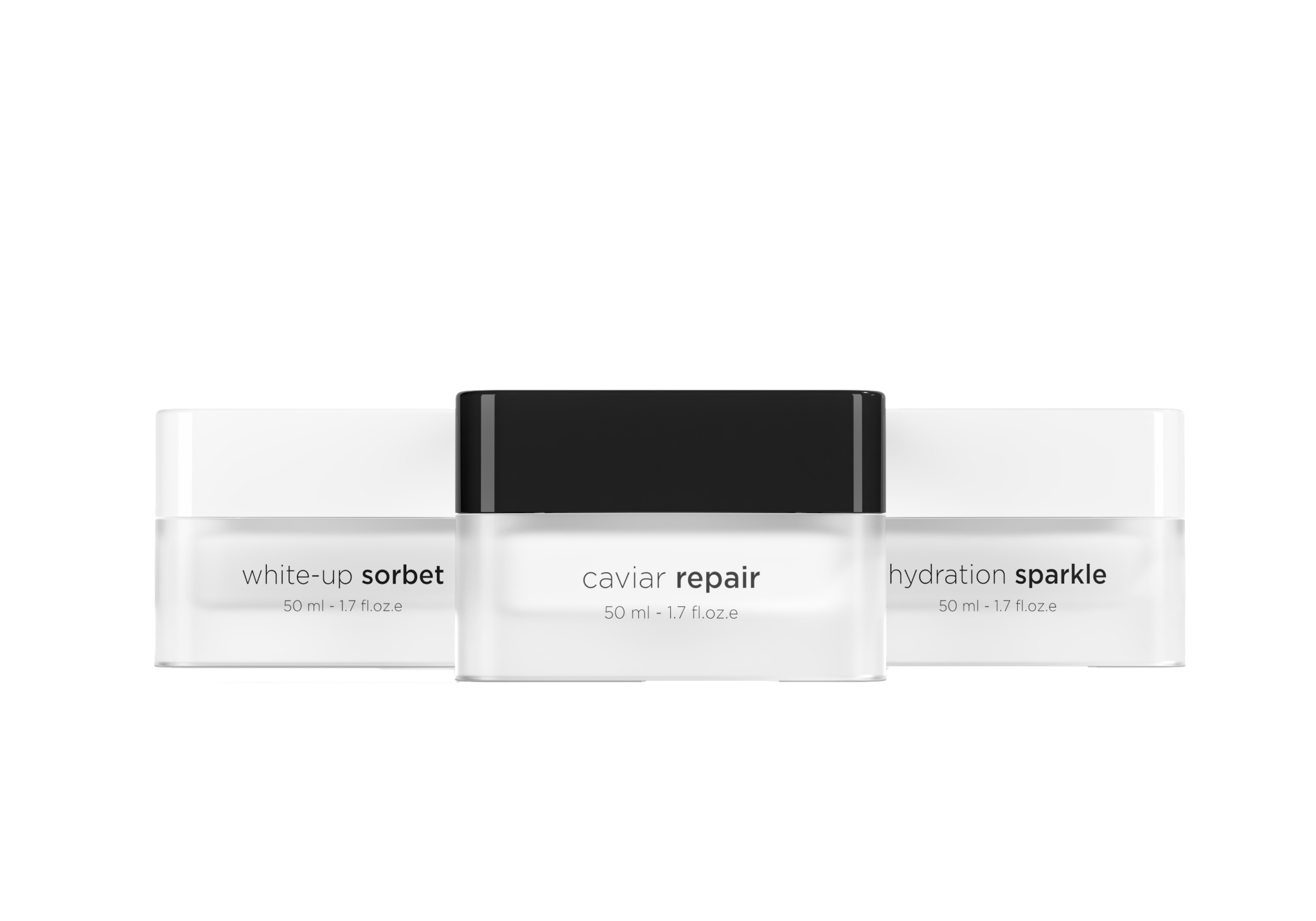
How to read beauty product labels
How to read skincare product labels: A guide for users and professionals
Product labels not only provide crucial information about ingredients but also help you select the most suitable products based on your skin’s specific needs. In this post, we’ll dive into how to interpret labels and choose the right ingredients for each skin type.
Understanding common ingredients in cosmetics
When we look at a cosmetic product label, we find a wide variety of ingredients, but it’s important to know the main types of ingredients that will appear in any formula. Here are some of the most common:
- Water: This is the most commonly used base ingredient in all beauty products. It helps dissolve other ingredients and, although it doesn’t provide direct benefits to the skin, it is necessary for formulating cosmetics, which is why it is typically the ingredient with the highest percentage.
- Alcohol: Although some cosmetic products contain alcohol as a preservative or solvent, it’s important to note that alcohol can be irritating and drying for the skin, so it should be avoided, especially for sensitive or dry skin.
- Oils: Vegetable oils, such as jojoba, argan, or coconut oil, are excellent for nourishing the skin and restoring the skin barrier, but they may not be suitable for acne-prone skin due to their potential to clog pores. For oily and acne-prone skin, it’s crucial to look for products with non-comedogenic ingredients.
- Active Ingredients: Active ingredients are those that truly benefit the skin and should be considered when choosing a product for a specific skin type or concern. If you want to learn more active ingredients, you’ll find an extensive list in our ingredient glossary.
How to read a cosmetic product label
In the world of skincare, each label is organized in a way that lets you know the primary ingredients. When reading the ingredient list, those listed first are present in the highest concentration. This is key for identifying the active components or substances that have the greatest impact on the product's effectiveness. The label may also include warnings, recommendations, and expiration dates.
Choosing ingredients based on your skin type
As professionals, it’s important to know which ingredients are suitable for each skin type to help your clients choose the best products for them. Here are some examples of active ingredients that work best based on skin type:
- Dry Skin: Look for products with hydrating and repairing ingredients such as hyaluronic acid, ceramides, glycerin, and natural oils. These ingredients help retain moisture and restore the skin barrier.
- Oily or Acne-Prone Skin: It’s important to choose products with ingredients that control excess sebum and gently exfoliate. Ingredients like salicylic acid, glycolic acid, and benzoyl peroxide are effective for reducing the appearance of acne breakouts.
- Sensitive Skin: For sensitive skin, look for products with calming and repairing ingredients such as aloe vera, niacinamide, and ceramides. It’s best to avoid products with alcohol, artificial fragrances, or strong exfoliating ingredients, as they can irritate sensitive skin.
Recommendations for professionals
- 1. Know the formulation of the products you offer: As an aesthetic professional, it is crucial to fully understand the different active ingredients and their effects. This will enable you to properly advise clients and patients, helping them make informed decisions based on their specific needs.
- 2. Verify usage recommendations: Products should not only contain suitable ingredients, but they must also be used correctly. Some formulas may require specific application methods or should be complemented with other products to maximize their benefits.
- 3. Sensitivity testing: It is important to advise users to perform a patch test, especially if the product contains strong active ingredients or if they have sensitive skin or conditions such as eczema or rosacea.
Reading beauty product labels is essential for choosing the right products. By understanding the ingredients and how they interact with each skin type, both users and professionals can make more personalized and accurate selections. Research and innovation in skincare are constantly advancing, so staying up to date with the latest developments and ingredients is key to ensuring the best results.