“Acid” covers very different ingredients. Their molecule size, their affinity for oil or water and the pH of the formula decide how deep and how fast they work — and which skin they suit.
The three families in brief
- AHAs (alpha-hydroxy acids) — lactic acid, mandelic acid. Water-soluble, they renew the surface and improve texture and radiance.
- BHAs (beta-hydroxy acids) — salicylic acid and its gentler relative betaine salicylate. Oil-soluble, they reach into the pores.
- PHAs (polyhydroxy acids) — gluconolactone, lactobionic acid. Large molecules, gradual penetration, moisturising and antioxidant. A review of PHAs describes them as compatible with sensitive skin and usable after cosmetic procedures (Grimes et al., 2004).
Comparison table
| Acid | Family | Best for | Good to know |
|---|---|---|---|
| Salicylic acid | BHA | Oily, blemish-prone skin, congested pores | Works inside the pores; soothes the look of redness linked to blemishes |
| Mandelic acid | AHA | Blemishes, uneven tone, sensitive or darker skin | Large molecule: gentle, gradual exfoliation |
| Lactic acid | AHA | Dull, dry or mature skin | Exfoliates and hydrates; part of the skin’s natural moisturising factor |
| Gluconolactone | PHA | Sensitive, reactive, dehydrated skin | Very gentle; supports the skin barrier |
| Lactobionic acid | PHA | Sensitive, dry or mature skin | Strong moisturising and antioxidant action |
| Phytic acid | Plant acid | Uneven tone, dull skin | Mild exfoliation and antioxidant; often combined with other acids |
Ingredients that are not exfoliating acids
Some ingredients carry the word “acid” but do not exfoliate:
- Tranexamic acid helps even out skin tone and reduce the look of dark spots; it does not renew the surface.
- Ferulic acid is a plant antioxidant that protects the skin from oxidative stress; it is often paired with exfoliating acids.
- Hyaluronic acid is a humectant that holds water in the skin.
- Betaine, which comes from sugar beet, is not an acid at all: it is a soothing humectant that makes acid formulas more comfortable.
How to choose for your skin
Oily or blemish-prone skin. Start with salicylic acid or betaine salicylate in a cleanser or a serum, and add mandelic acid for marks and texture.
Uneven tone and dark spots. Mandelic acid and PHAs, combined with brightening actives such as tranexamic acid or niacinamide, and a daily sunscreen. See dark spots and uneven tone.
Dry, dull or mature skin. Lactic acid and lactobionic acid renew and moisturise at the same time.
Sensitive or reactive skin. PHAs first. They let sensitive skin benefit from resurfacing with good tolerance.
Why ekseption combines acids
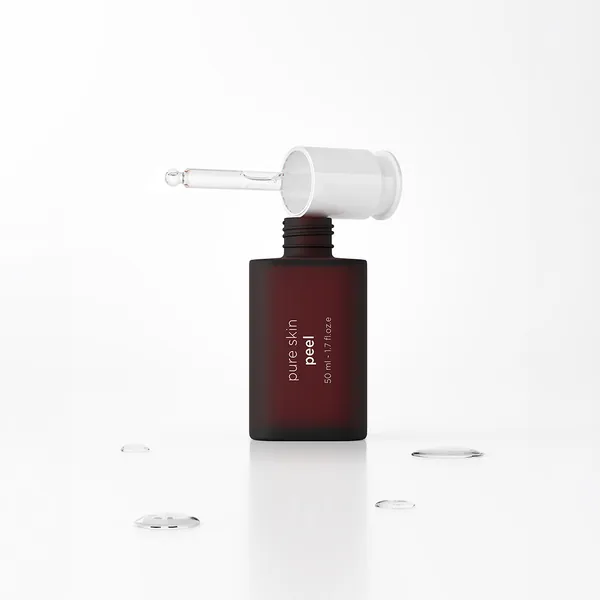
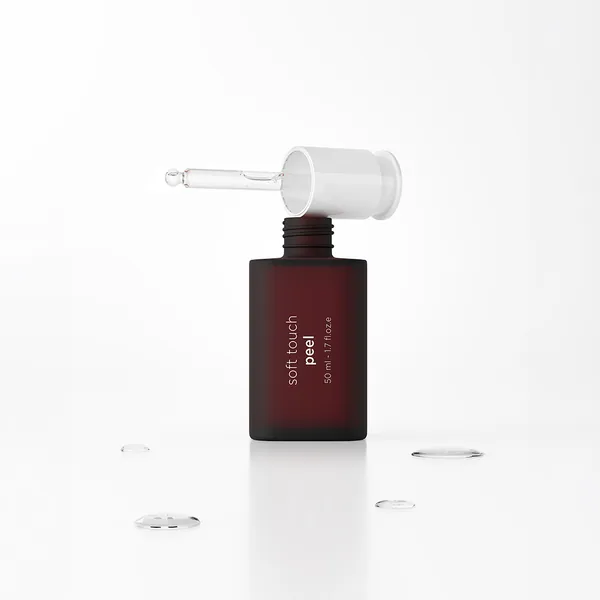
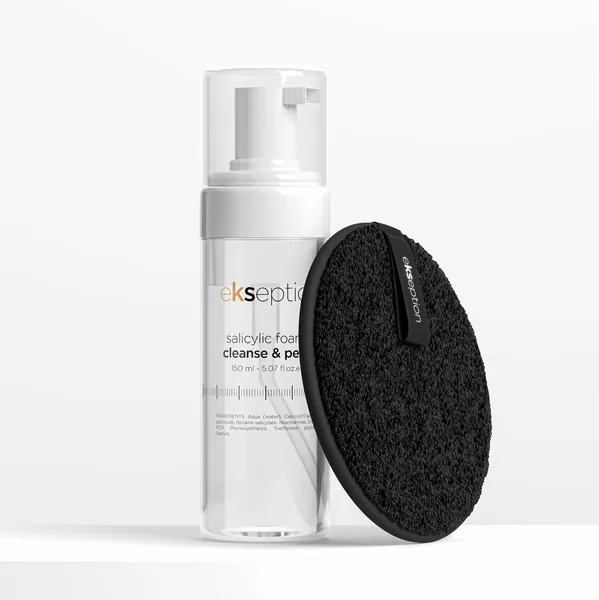
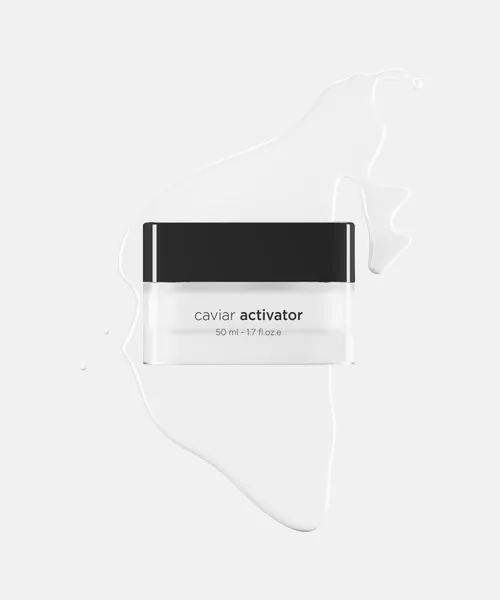
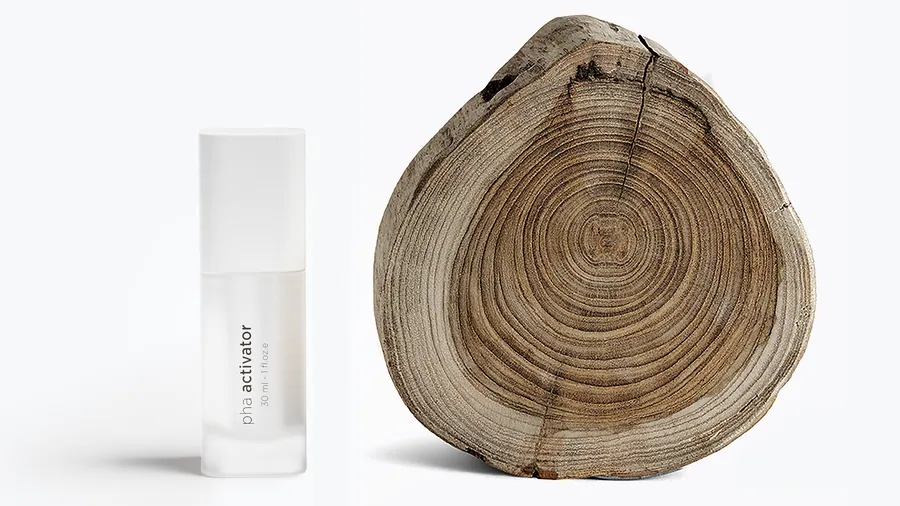
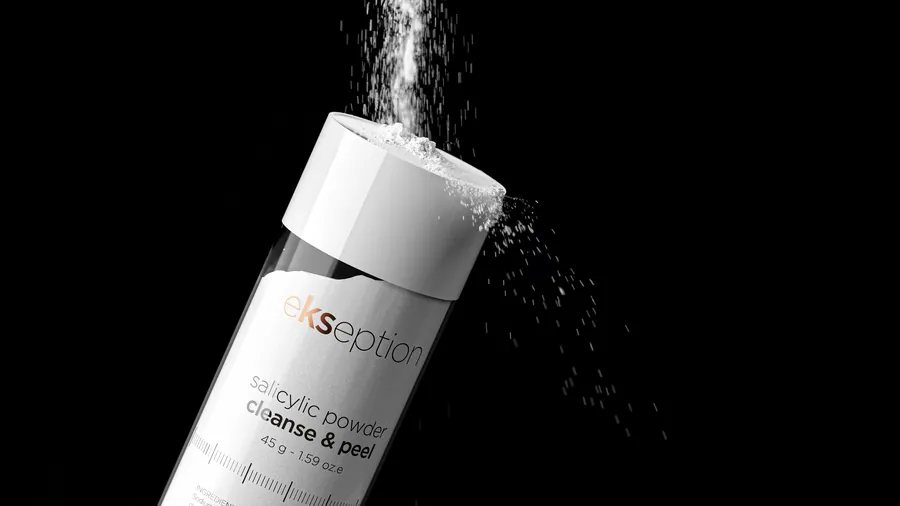
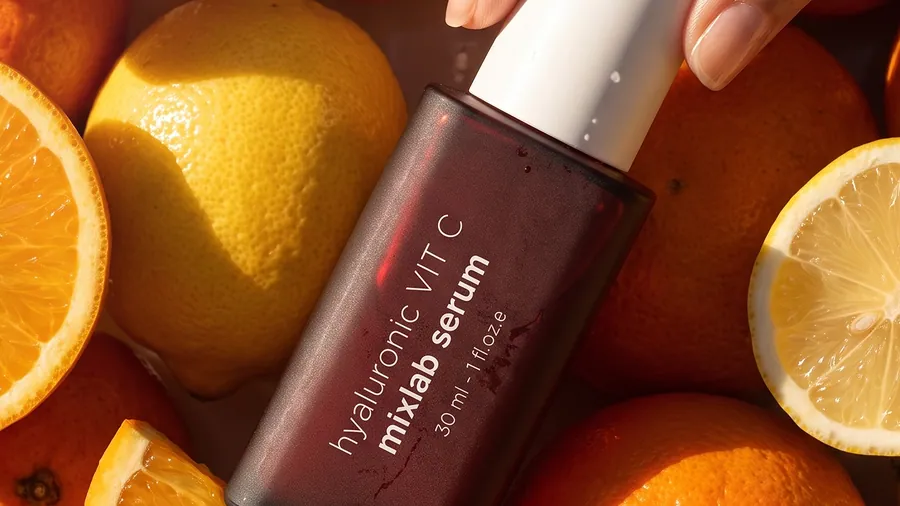
Rather than one strong acid, ekseption formulas combine several organic acids at a measured pH, each with its role — renewal, purification, hydration — together with peptides and soothing actives. In the treatment room, a professional chooses the peel for the concern; at home, cleansers and activators keep the renewal going gently.
Professionals can find the full product sheets and protocols in the ekseption Academy. Looking for a treatment? Find a professional who works with ekseption.
Questions
Which acid is the gentlest?
Polyhydroxy acids (PHAs) such as gluconolactone and lactobionic acid. Their large molecules penetrate slowly, so they exfoliate gently, moisturise and are well tolerated by sensitive skin.
Which acid is best for blemish-prone skin?
Salicylic acid, a BHA, dissolves in oil and works inside the pores. Mandelic acid is a good partner: it exfoliates gently and helps with blemishes and uneven tone.
Can I combine several acids?
Yes — well-formulated products combine acids so that each one does its part at a suitable pH. Avoid stacking several strong exfoliants yourself, and ask a professional to build your routine.
Do acids make the skin sensitive to the sun?
AHAs can increase sensitivity to UV while you use them. Use a broad-spectrum sunscreen every day during an acid routine.
Sources
Looking for a treatment?
ekseption peels are applied by trained professionals. Find a professional who works with ekseption near you, or ask us.
Find a professional