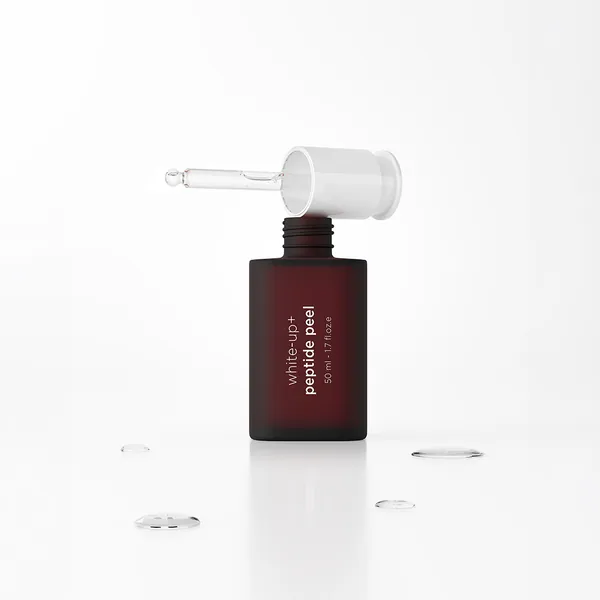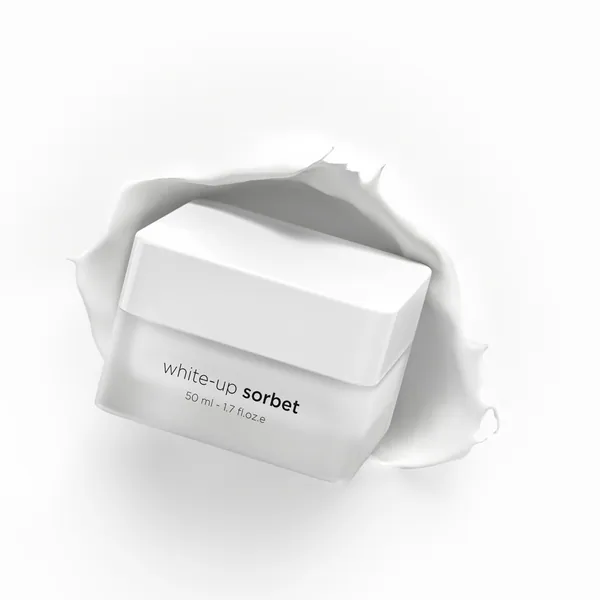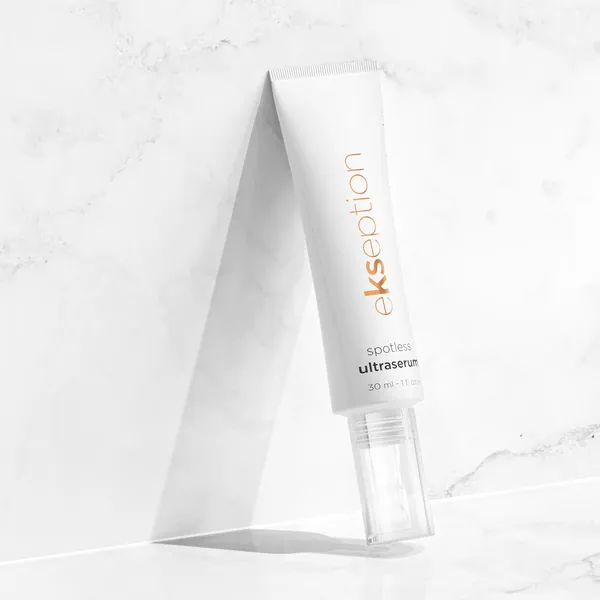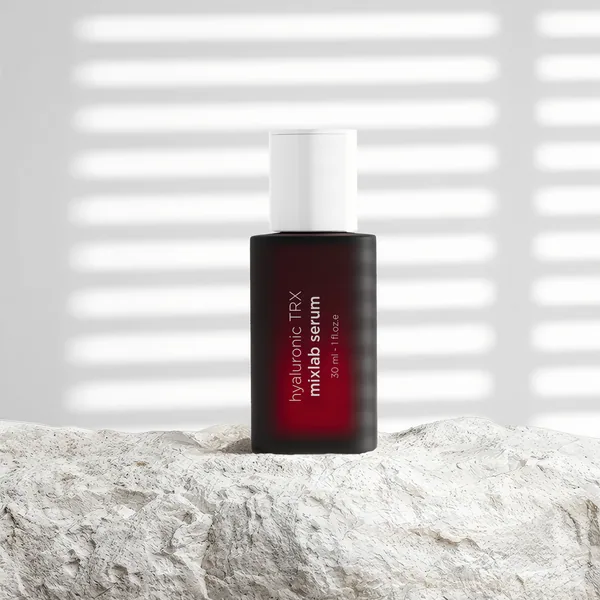
Dark spots, marks left by blemishes, an uneven complexion — pigmentation is one of the most common skin concerns. It is also one of the most stubborn, because it is driven by several factors at once.
Why dark spots appear
Melanin is the pigment that protects the skin from UV. It is made by melanocytes in the epidermis, in a process called melanogenesis: the enzyme tyrosinase turns the amino acid tyrosine into the brown-black and yellow-red pigments that colour the skin. Melanin is then packed into small vesicles and passed to the surrounding skin cells.
Sun exposure, inflammation (for example after a blemish), hormones, free radicals and age can make this process run too fast in some areas. The result: spots and an uneven tone.
The main types of pigmentation
- Sun spots, which appear on the areas most exposed to the sun.
- Post-blemish marks (post-inflammatory hyperpigmentation), left after a spot, a burn or an insect bite.
- Melasma, symmetrical brown patches on the face, linked to sun, heat, hormones (pregnancy, contraception) and a fragile barrier. It is the most stubborn form: even heat and visible light can make it darker, so it needs a gentle, patient approach.
- Redness from small visible blood vessels, which is not pigment but often adds to an uneven tone.
What helps even out skin tone
- Renewal. Mandelic acid, lactic acid and PHAs remove the pigmented cells at the surface faster. In a randomised study, peels combining salicylic and mandelic acids gave results comparable to glycolic acid peels on melasma, with better tolerance (Sarkar et al., 2016).
- Brightening actives. Tranexamic acid, niacinamide, nonapeptide-1 and hexylresorcinol act on the signals that lead to excess pigment and help reduce the appearance of dark spots.
- Antioxidants. Vitamin C derivatives, vitamin E and ferulic acid help protect the skin from the oxidative stress that sun exposure creates.
- Barrier repair. Ceramides, squalane and soothing actives help the skin recover, which matters a lot for melasma-prone skin.
What to avoid without professional advice: strong exfoliants on sensitive skin, and retinol if you do not use a sunscreen every day. Hydroquinone is a medicine in many countries and is only used under medical supervision.
- Sun protection. The most important step: without it, pigmentation tends to return.
A combined approach
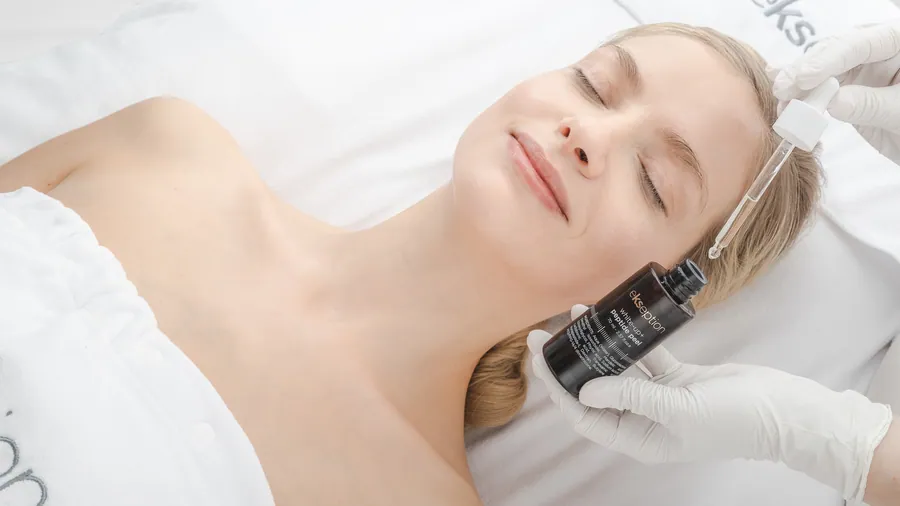
In the treatment room. A professional chooses a peel for pigmentation and adapts it to your skin and the season. A Mixlab serum with tranexamic acid can personalise the treatment.
At home.
- Morning: gentle cleanser, brightening serum, broad-spectrum sunscreen.
- Evening: cleanser, an activator with gentle acids on the days your professional recommends, then a brightening cream.
- Every day: sunscreen, re-applied when you are outdoors.
Be patient and consistent
Pigmentation fades progressively, over weeks. Regular sessions and a consistent home routine give the best results — and daily sun protection keeps them. Plan the most intensive treatments for the seasons with less sun; read can you have a peel in summer.
Looking for a treatment? Find a professional who works with ekseption or ask us to find one near you.
Questions
Can dark spots be removed for good?
Their appearance can be reduced a lot, but pigmentation can come back with sun exposure or hormonal changes. Daily sun protection and a maintenance routine keep the results.
How many peel sessions are needed for dark spots?
It depends on the skin and the type of pigmentation. Professionals usually plan a series of sessions spaced over several weeks, with home care in between.
Are peels suitable for melasma-prone skin?
Melasma-prone skin needs a professional assessment and a gentle, progressive approach with strict sun protection. Combinations of milder acids are often preferred for their tolerance.
Sources
Looking for a treatment?
ekseption peels are applied by trained professionals. Find a professional who works with ekseption near you, or ask us.
Find a professional