Acne is one of the most common skin conditions, affecting millions of people worldwide, especially teenagers and young adults. While it is primarily associated with excess sebum production, clogged pores, and inflammation, another crucial factor in its development is the presence of bacteria on the skin. In particular, Cutibacterium acnes (formerly known as Propionibacterium acnes) plays a key role in the onset of this condition. In this article, we’ll explore the role of porphyrins—biological compounds involved in bacterial activity—and how they are related to acne.
What Are Porphyrins? Porphyrins are chemical compounds found in various biological molecules, such as hemoglobin and chlorophyll. On the skin, porphyrins are mainly produced by bacteria that reside in hair follicles, with Cutibacterium acnes being the most relevant in the context of acne. These molecules can absorb light and, when exposed to visible or ultraviolet (UV) light, they can generate reactive oxygen species (ROS)—free radicals capable of damaging cellular tissues
Cutibacterium acnes: The Acne-Causing Bacteria
Cutibacterium acnes is an anaerobic bacterium that naturally lives in the hair follicles and sebaceous glands of human skin. Although it is mostly harmless and part of the skin's normal microbiota, under certain conditions it can become pathogenic, causing inflammation and contributing to the development of acne.
The bacterium feeds on sebum produced by the sebaceous glands and, as it multiplies, it releases porphyrins, which are an essential part of its metabolism. Porphyrins can absorb light, resulting in the production of ROS. This process can trigger an inflammatory cascade in the skin, worsening acne by damaging surrounding cells and promoting the release of chemicals that attract more immune cells, thereby intensifying inflammation.
The Role of Porphyrins in Acne Development
Porphyrins play a direct role in the inflammation that characterizes acne. When Cutibacterium acnes multiplies in clogged pores and is exposed to light, the porphyrins it releases react by generating ROS, which attack cells and can trigger an inflammatory response.
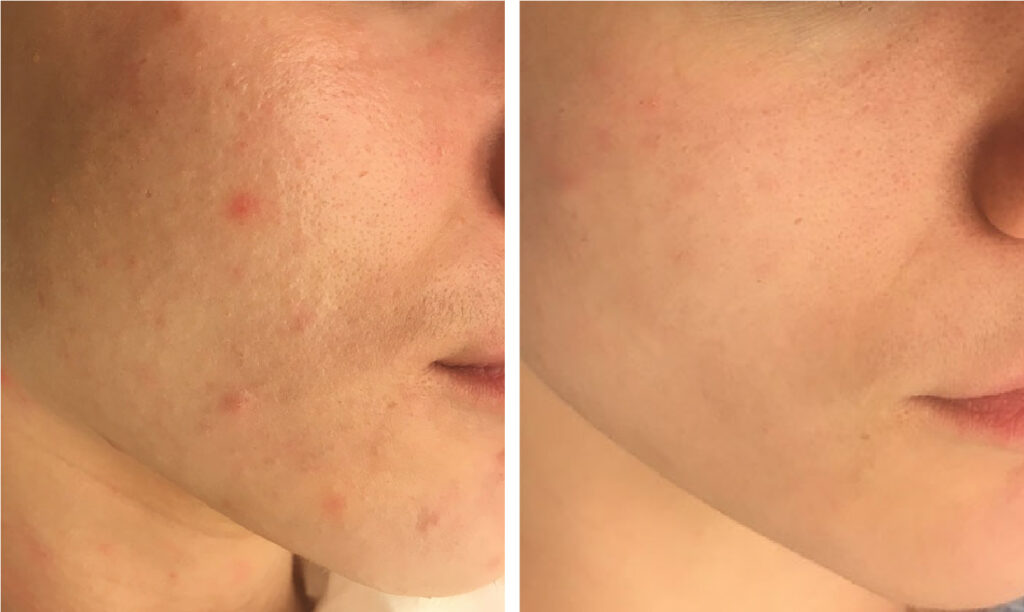
This process creates a favorable environment for the formation of typical acne lesions such as comedones, papules, pustules, and nodules. The inflammatory response not only worsens acne but also increases the risk of skin scarring.
Prevention and Care to Help reduce the appearance of acne-Causing Bacteria
To prevent the appearance of acne and control the proliferation of Cutibacterium acnes, it's essential to maintain a proper skincare routine. Here are some tips:
- Regular Cleansing: Use a gentle cleanser to remove excess oil and impurities from the skin, preventing the appearance of clogged pores.
- Exfoliation: Regular exfoliation with mild products helps remove dead skin cells, which can prevent pore blockages.
- Sun Protection: Protect your skin from UV radiation with appropriate sunscreen, as sun exposure can worsen acne and activate porphyrins.
- Manage Stress: Stress can increase sebum production and worsen acne, so try incorporating stress management practices like meditation or exercise.
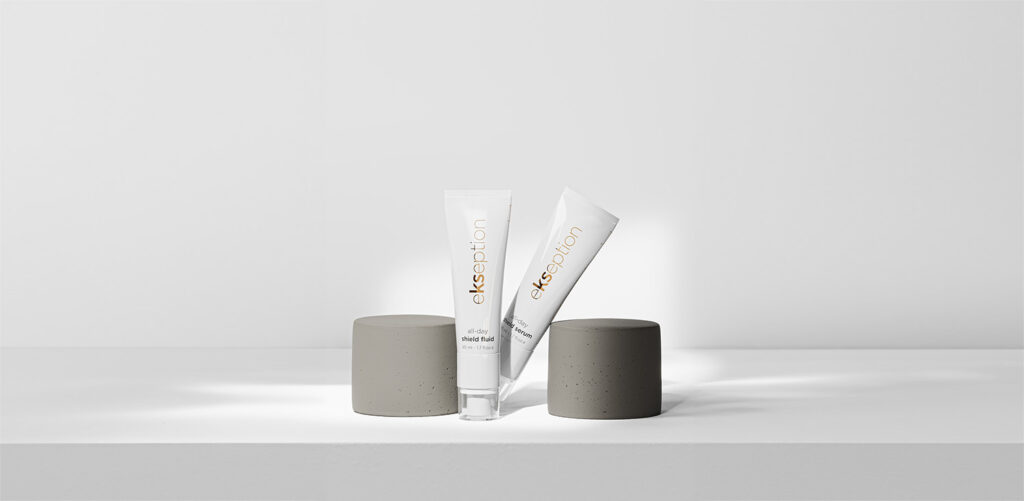
In the shop you can see our products for blemish-prone skin and visible pores.

Conclusion
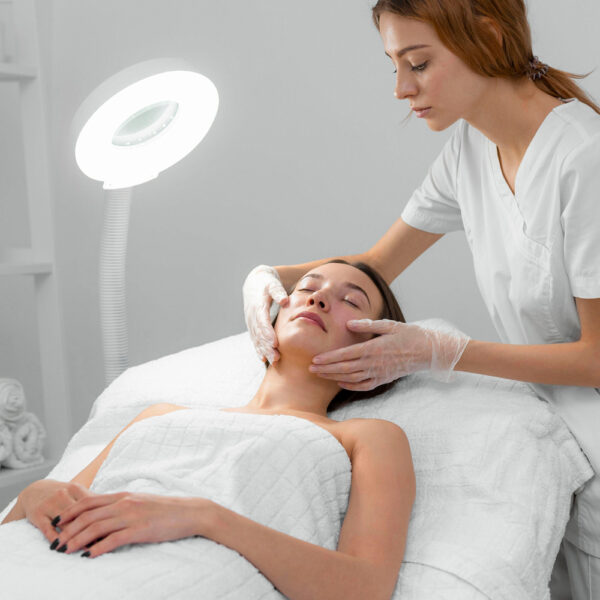
Porphyrins are biological compounds produced by Cutibacterium acnes, the bacteria responsible for acne. These molecules can worsen inflammation and acne lesions by generating reactive oxygen species when exposed to light. However, this same property of porphyrins can be harnessed to help reduce the appearance of acne through phototherapy, which helps reduce bacterial activity and inflammation. If you suffer from acne, consider consulting a dermatologist to explore light-based treatments and other effective approaches for managing this condition.