“My skin is dry” — or is it dehydrated? The two are often confused, but they are different conditions that need different care.
Dry skin: a lack of lipids
Dry skin is a skin type, largely determined by genetics. It produces fewer lipids, the natural oils that hold the barrier together, so the barrier is more fragile.
Signs: tightness and roughness all over the face, small or barely visible pores, a lack of radiance, sometimes flaking and sensitivity, and fine lines that appear earlier.
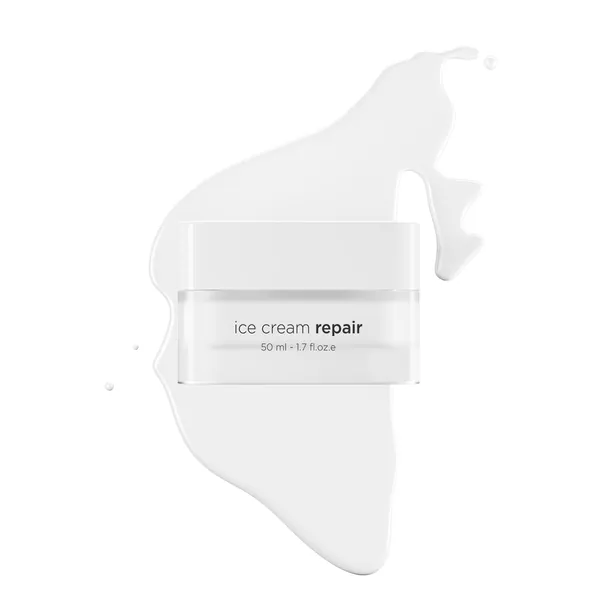
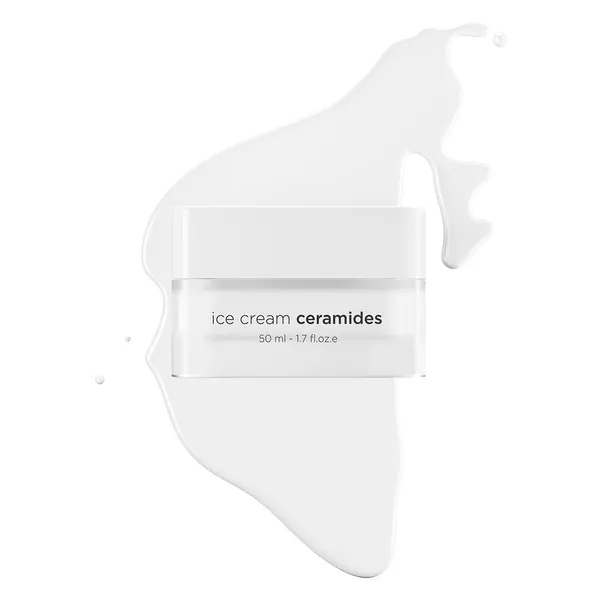
What it needs: nourishment. Choose creams rich in ceramides, squalane, plant oils and butters, which replace missing lipids and reinforce the barrier — read ceramides and the skin barrier. Cleanse with gentle formulas that do not strip the skin.
Dehydrated skin: a lack of water
Dehydrated skin is a temporary condition that can affect any skin type — even oily skin. The problem is water, not oil.
Signs: tightness, especially after cleansing, alongside shiny areas; a dull complexion; less suppleness; fine lines around the eyes and mouth.
Common causes: climate (heat, cold, air conditioning), unsuitable or harsh products, too little water, stress.
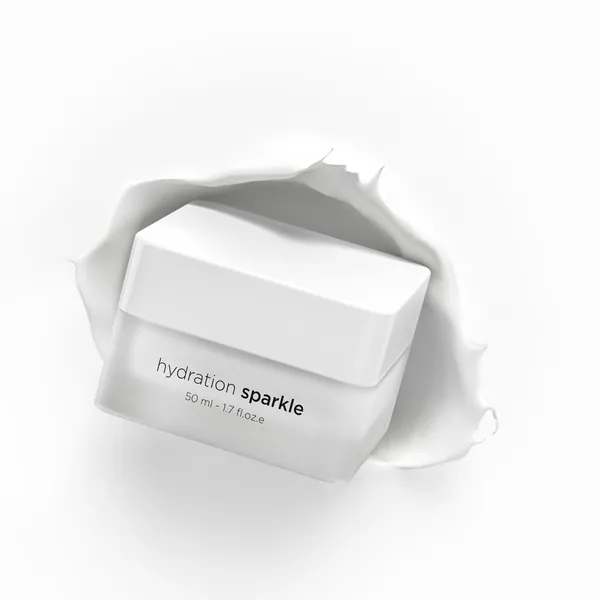
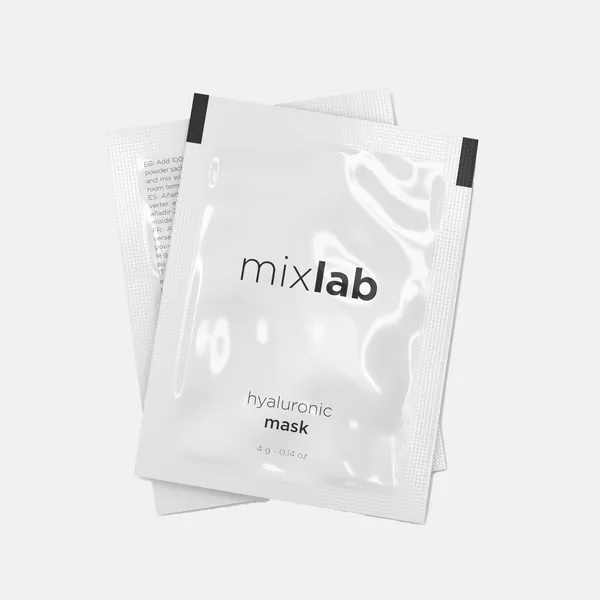
What it needs: water, and help to keep it. Use humectants such as hyaluronic acid, glycerin, sodium lactate, aloe vera or urea, then a cream that seals the water in. Avoid astringent products and aggressive exfoliation, drink enough water and eat a balanced diet. Read why the molecular weight of hyaluronic acid matters.
A simple test
- Cleanse your face with a gentle cleanser and pat it dry.
- Wait about 30 minutes without applying anything.
- Observe:
- Tight and rough all over? Your skin is probably dry.
- Tight, but shiny in places, or uncomfortable only in some areas? Your skin is probably dehydrated.
Skin can also be both — dry and dehydrated. Then it needs both lipids and water.
At a glance
| Dry skin | Dehydrated skin | |
|---|---|---|
| What is missing | Lipids (oils) | Water |
| Type or condition | Skin type, lasting | Temporary condition, any skin |
| Feels | Rough and tight everywhere | Tight with shiny areas |
| Key ingredients | Ceramides, squalane, plant oils | Hyaluronic acid, glycerin, sodium lactate |
If you are unsure, ask a skin professional for an assessment: the right diagnosis makes every product in your routine work better.
Questions
Can oily skin be dehydrated?
Yes. Dehydration is a lack of water, not of oil. Oily skin can feel tight and look dull while still being shiny in places.
Do I need a different cleanser for dry skin?
Yes: a cleansing milk or a gentle, non-foaming cleanser that respects the skin's lipids. Avoid harsh foams and hot water.
Is drinking water enough for dehydrated skin?
It helps, but the skin also needs humectants applied to it and a barrier that keeps the water in.
Looking for a treatment?
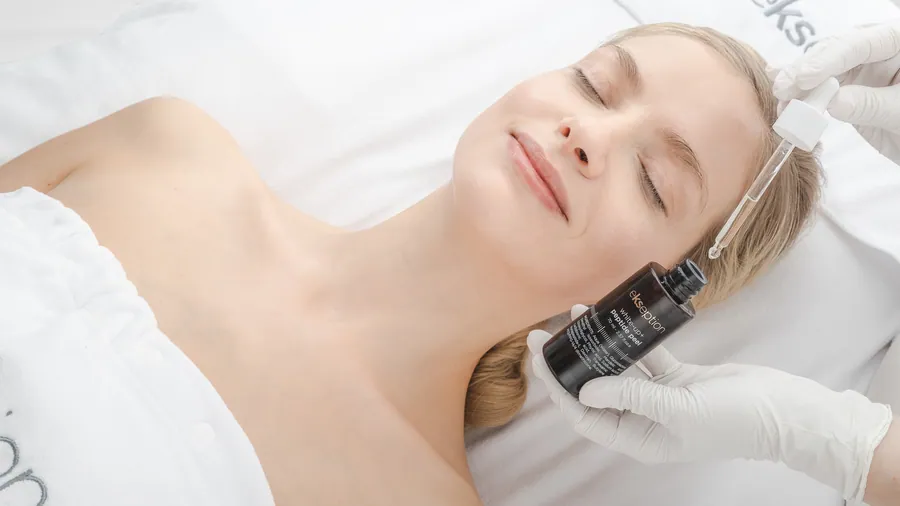
ekseption peels are applied by trained professionals. Find a professional who works with ekseption near you, or ask us.
Find a professional