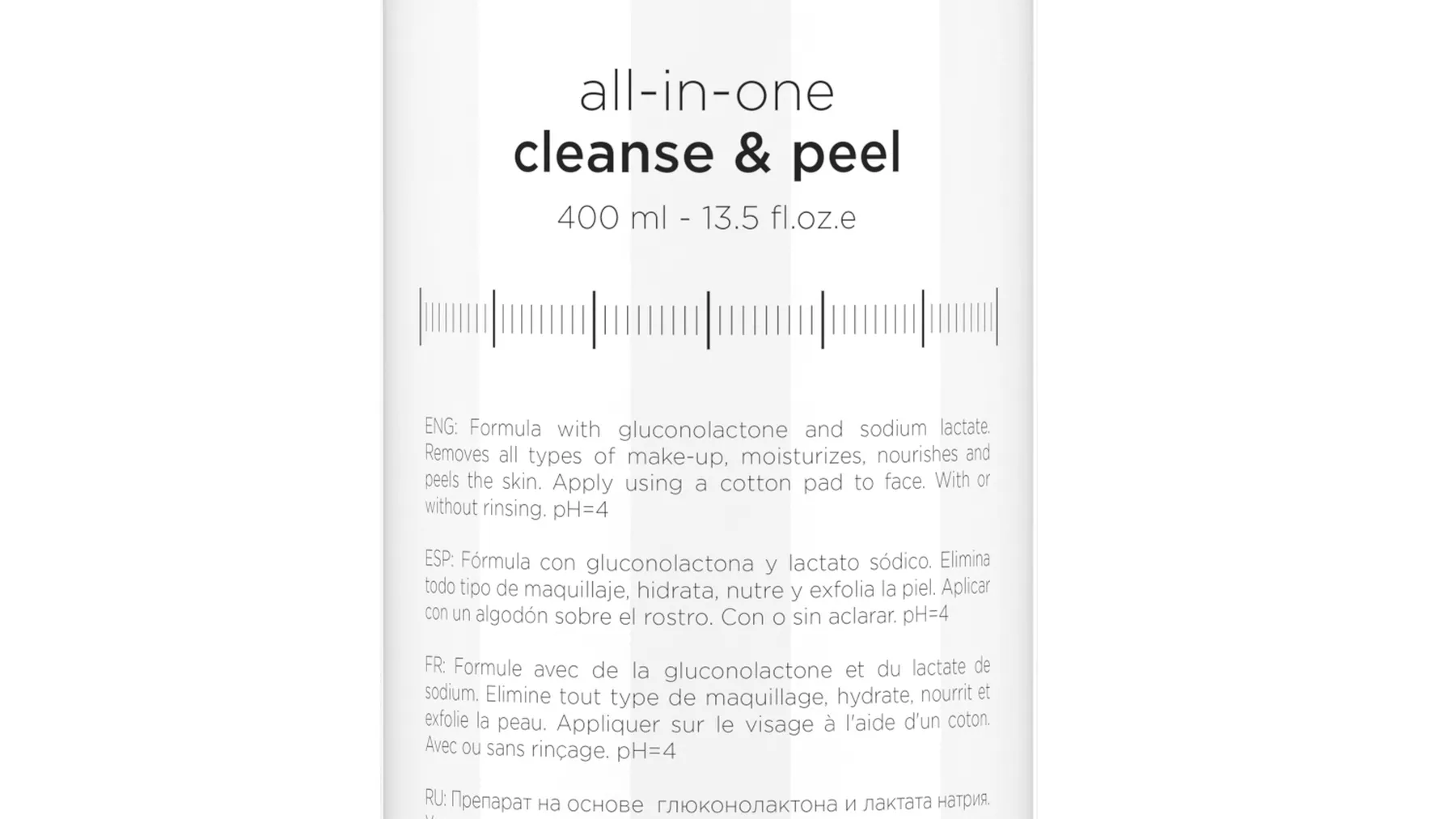
A cosmetic label is more than marketing. Read correctly, it tells you what the product is made of and whether it suits your skin — useful for clients, and essential for professionals who advise them.
The ingredient list (INCI)
In the European Union, every cosmetic must list its ingredients under the heading “Ingredients”, using INCI names — the international standard names, often in Latin or English chemical terms (Regulation (EC) No 1223/2009).
The order matters. Ingredients are listed in decreasing order of weight at the time they are added. The first ingredients form the base of the formula. Ingredients present at less than 1% can be listed in any order after the others — so many actives, which work at small doses, appear further down the list. A position near the end does not mean an ingredient is useless.
The families of ingredients you will see
- Water (Aqua), the base of most formulas, usually first.
- Humectants such as glycerin, sodium lactate or hyaluronic acid (sodium hyaluronate), which attract water.
- Emollients and oils — plant oils, squalane, butters — which soften and nourish. Very rich oils may not suit blemish-prone skin.
- Active ingredients, which do the targeted work: acids, peptides, vitamins, niacinamide. Our ingredient glossary explains each one.
- Alcohol: drying alcohol (alcohol denat.) can irritate dry or sensitive skin. Fatty alcohols such as cetyl alcohol are different: they soften the skin.
- Preservatives, which keep the product safe once opened, and fragrance (parfum), with any regulated allergens named.
Other information on the label
- Period after opening (open-jar symbol, e.g. 12M) or a best-before date.
- Precautions and warnings, for example “avoid contact with eyes”.
- Batch number, which allows the manufacturer to trace the product.
- The responsible person, the company that guarantees the product’s compliance in the EU.
Ingredients to look for by skin type
| Skin | Look for | Be careful with |
|---|---|---|
| Dry | Hyaluronic acid, ceramides, glycerin, squalane | Drying alcohol, harsh surfactants |
| Oily or blemish-prone | Salicylic acid, niacinamide, zinc PCA | Very rich oils |
| Sensitive | Niacinamide, ceramides, panthenol, PHAs | Fragrance, drying alcohol, strong exfoliants |
Advice for professionals
- Know the formulas you recommend, their actives and how they work together.
- Explain how to use them: some products need a specific application or a partner product.
- Recommend a patch test for strong actives or sensitive skin, especially with eczema or rosacea.
- Keep learning: ingredients and formulation science evolve constantly.
The full product sheets of ekseption, with their INCI lists and how to use them, are in the ekseption Academy. Read also why fewer ingredients can be better.
Questions
What does INCI mean?
International Nomenclature of Cosmetic Ingredients: the standard names used on cosmetic labels in the European Union and many other countries, so that an ingredient has the same name everywhere.
Why is water often the first ingredient?
Because ingredients are listed in decreasing order of quantity, and water is the base of most creams, serums and cleansers.
What does the open-jar symbol mean?
It shows the period after opening: how many months the product stays at its best once opened, for example 12M for twelve months.
Sources
Looking for a treatment?
ekseption peels are applied by trained professionals. Find a professional who works with ekseption near you, or ask us.
Find a professional