The pH scale goes from 0 (very acidic) to 14 (very alkaline), with 7 as neutral. Water is around 7, most soaps are alkaline — and the surface of healthy skin is slightly acidic.
What is the acid mantle?
The acid mantle is the thin, slightly acidic film that covers the skin surface. It is made of sebum, sweat, natural moisturising factors and the products of skin renewal. It is not a separate layer you can see, but it plays a major role in how the skin behaves.
In a multicentre study of 330 people, researchers estimated that the natural pH of the skin surface is on average about 4.7 — below 5 — and that skin with a pH below 5 was in better condition, with better barrier function, moisturisation and less scaling (Lambers et al., 2006).
What does an acidic surface do for the skin?
- A stronger barrier. The enzymes that build the lipids between skin cells work best in an acidic environment. A balanced barrier holds water better.
- A balanced microbiome. An acidic pH helps the skin’s resident flora stay in place, while an alkaline pH favours its dispersal (Lambers et al., 2006).
- Smooth renewal. The natural shedding of dead cells depends on enzymes that are also sensitive to pH.
What disturbs the skin’s pH?
- Alkaline cleansers and soaps, which can raise the surface pH.
- Hard or alkaline tap water — the same study observed that washing with tap water raised skin pH for several hours.
- Over-exfoliation with products that are too strong or used too often.
- Sun exposure, pollution and hormonal changes.
- Skin conditions such as acne, rosacea or dermatitis, and aesthetic treatments without proper aftercare.
When the pH is out of balance, the skin can become more sensitive, drier or oilier, and more prone to blemishes and irritation.
How to care for the acid mantle
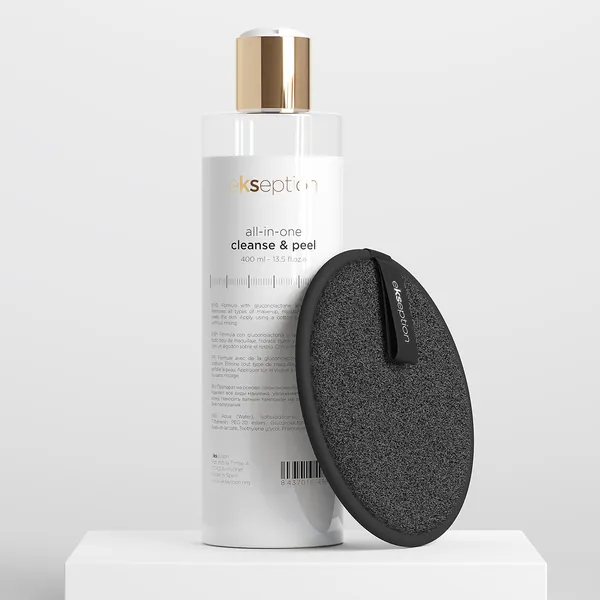
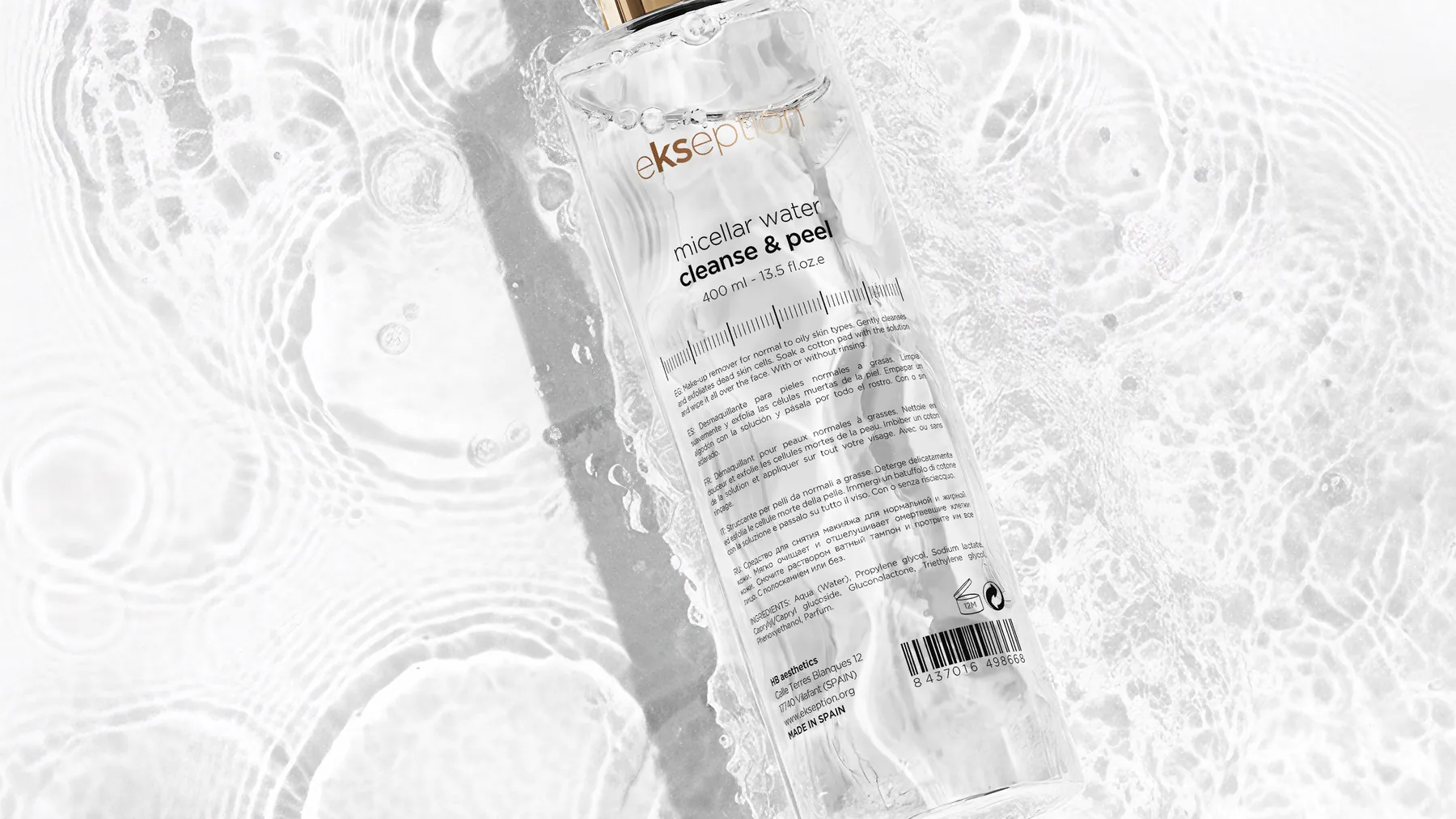
- Cleanse gently with a slightly acidic cleanser, such as a cleanser with PHAs.
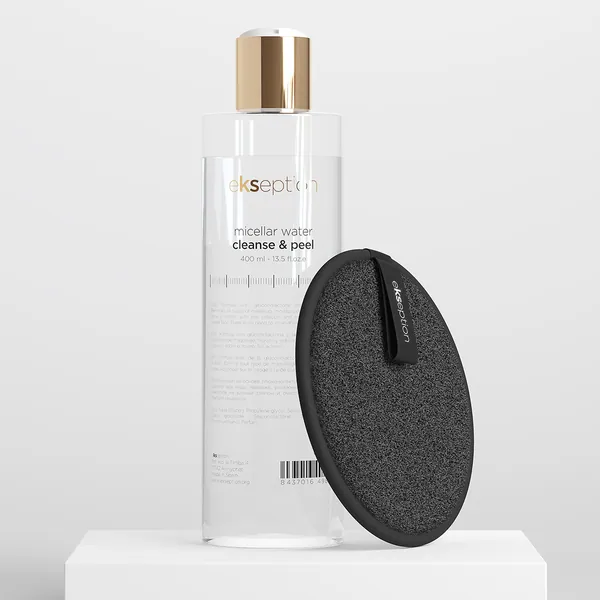
- Rebalance with a toner close to the skin’s own pH after cleansing, especially if your tap water is hard.
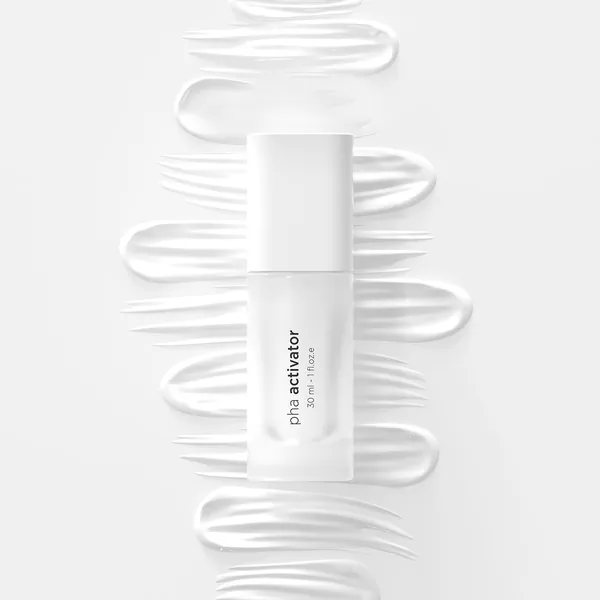
- Exfoliate at the right pH. Home-care acids close to the skin’s own pH renew the surface without stripping it.
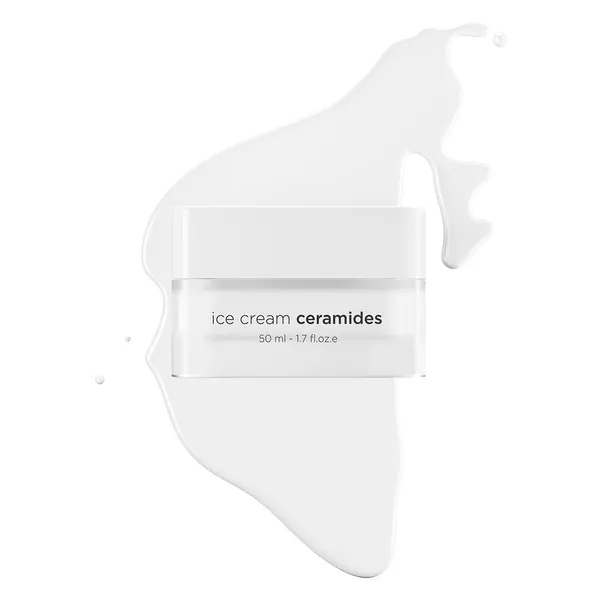
- Replenish the barrier with ceramides, lipids and humectants such as sodium lactate.
- Protect every day with a broad-spectrum sunscreen.
The ekseption approach: a measured pH for every formula
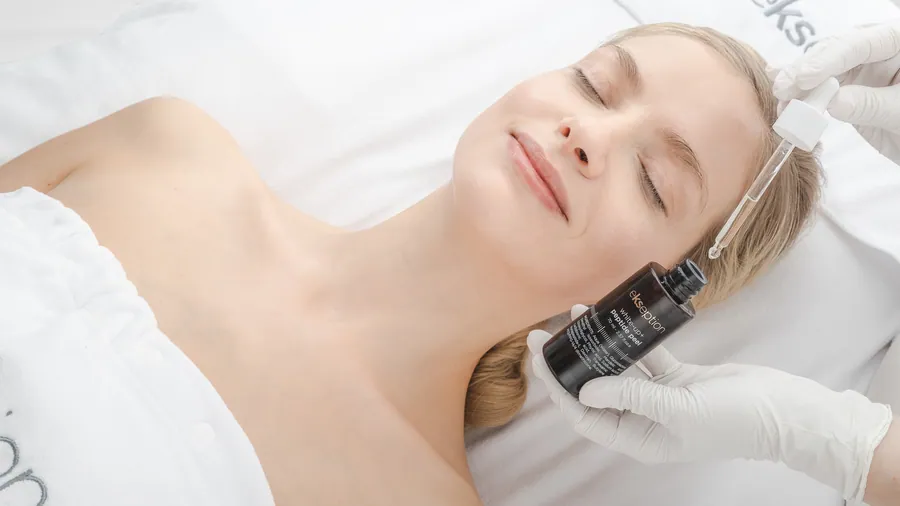
Every ekseption formula is set to a measured pH. Professional peels work at a low pH in the treatment room; the home routine stays close to the skin’s own pH to keep the results and protect the skin while it renews. See where each product sits on the pH scale of our range, and read what skin resurfacing is.
Questions
What is the normal pH of the skin?
The skin surface is slightly acidic. A multicentre study measured an average natural surface pH of about 4.7, below 5, and found better barrier function and moisturisation in skin with a pH below 5.
Does water change the pH of the skin?
Tap water is often slightly alkaline and can raise the skin's pH for several hours after washing, before it returns to its natural value. Gentle, slightly acidic cleansers avoid this disturbance.
Are acids bad for the acid mantle?
No. Organic acids used at a suitable pH work with the skin's natural acidity. Home-care formulas close to the skin's own pH renew the surface while respecting the barrier.
Sources
Looking for a treatment?
ekseption peels are applied by trained professionals. Find a professional who works with ekseption near you, or ask us.
Find a professional