Skin aging is a natural process, but that doesn’t mean its visible effects are inevitable. Wrinkles, sagging, dark spots, and dullness can all be prevented or minimized with the right knowledge and an effective skincare routine. In this article, we’ll explain—based on science and practical advice—how to care for your skin to slow down aging and maintain a healthy, youthful complexion for as long as possible.
What Causes Skin Aging?
Skin aging is influenced by two main categories of factors: intrinsic aging and extrinsic aging.
Intrinsic aging, also known as chronological aging, is driven by time and internal factors like genetics and hormonal changes. It often leads to collagen loss, thinning of the epidermis, decreased hydration, and slower cell renewal.
Extrinsic aging, or photoaging, is caused by environmental factors, primarily sun exposure. It is the most preventable form of aging and accelerates visible signs such as deep wrinkles, pigmentation, and rough skin texture. Other contributors include pollution, stress, poor diet, smoking, and lack of sleep.
Key Factors Behind Skin Aging
Several internal and external mechanisms contribute to skin aging, including glycation, oxidative stress, UV damage, chronic inflammation, thinning of the skin, and microbiome imbalance.
Glycation occurs when excess sugar in the bloodstream binds to proteins like collagen and elastin, damaging their structure and reducing skin firmness. Oxidative stress caused by free radicals breaks down healthy cells and tissues. UVA rays from sun exposure penetrate deeply and degrade collagen and elastin fibers. Chronic inflammation activates enzymes that destroy the skin's matrix, resulting in wrinkles and loss of elasticity. As we age, skin also becomes thinner due to a decrease in lipid production and cell regeneration. Lastly, changes in the skin microbiome can weaken the protective barrier and speed up visible aging.
How to Care for Your Skin to Prevent Aging
A smart skincare routine is key to maintaining youthful, firm, and healthy skin.
Cleansing should be done twice a day using gentle formulas that respect the skin’s natural balance. Avoid cleansers with harsh sulfates, mineral oils, or high concentrations of alcohol. Instead of physical exfoliants, opt for enzyme-based or mild acids such as lactobionic or mandelic acid, which exfoliate without irritating.
For treatment, choose products that reduce the appearance of redness, improve microcirculation, and help the skin look firmer. Regulate skin pH using gentle acids and avoid irritating ingredients. Retinol can be very effective but should be used sparingly and always with sunscreen, as it increases sensitivity to UV light. To maximize results, support your treatments with serums formulated with hyaluronic acid combined with peptides, vitamin C, niacinamide, or flavonoids.
Moisturizing is essential. Aging skin loses both water and lipids, so regular use of creams containing hyaluronic acid, ectoin, ceramides, or vitamin F helps strengthen the skin barrier and prevent dehydration.
Sun protection is non-negotiable. Even on cloudy days or indoors, exposure to light can activate the skin’s aging mechanisms. Applying broad-spectrum SPF 50 sunscreen every morning is one of the most powerful ways to prevent the appearance of wrinkles, pigmentation, and sagging.
Key Ingredients for Anti-Aging
Some of the most effective ingredients to fight skin aging include antioxidants like vitamin C, vitamin E, and ferulic acid, which neutralize free radicals. Peptides and copper help the skin look firmer and improve regeneration. Niacinamide soothes the skin, improves tone and texture, and supports a healthy microbiome. PHA acids offer gentle exfoliation and boost hydration. Hesperidin methyl chalcone works as an soothing and improves skin circulation.
In our range you will find a serum with retinol and bakuchiol, and our full selection for wrinkle care.
Recommended Professional Treatments
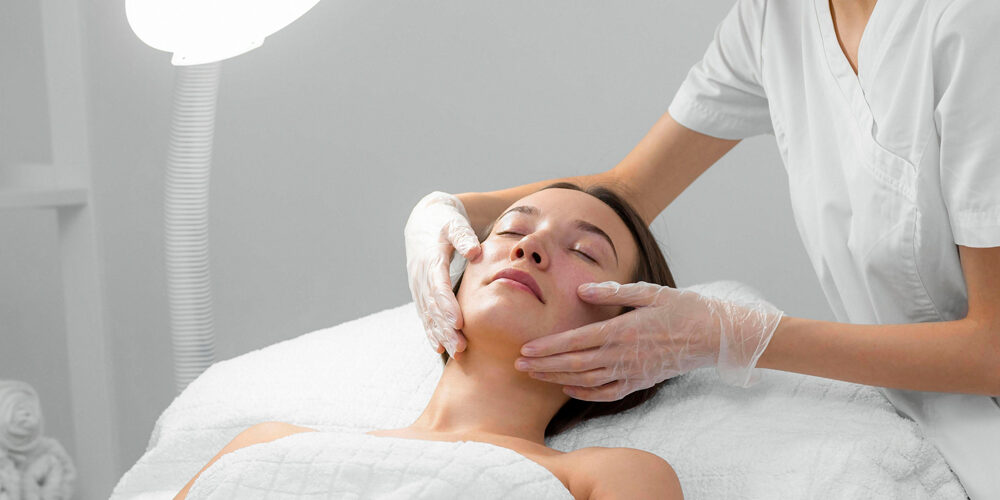
For faster and more visible results, complement your home routine with professional peels. Some of the most effective options for aging skin are the Age-less+ peptide peel, Ferulic peptide peel, and Caviar peptide peel. These treatments work at deeper levels to improve skin texture, firmness, and brightness.
Conclusion
Skin aging is a complex and multifactorial process, but with the right care, it can be slowed down and visibly improved. The key is to use the right active ingredients, avoid harsh products, protect the skin daily from UV radiation, and combine professional and home treatments. Your skin reflects your overall health and well-being—investing in it is investing in your future.