The pH of the skin is a key factor in keeping it healthy, balanced, and protected. Although it is often overlooked, understanding and respecting the skin's pH can make a significant difference in the effectiveness of your facial care routine and in the overall health of your skin.
What Does pH Mean?
pH (potential of hydrogen) measures the acidity or alkalinity of a substance on a scale from 0 to 14. A value of 7 is neutral, values below 7 are acidic, and those above are alkaline. Healthy human skin has a slightly acidic pH, usually ranging from 4.5 to 5.5. This acidic level is crucial for the proper functioning of the skin's barrier.
Why is Acidic pH Essential for the Skin?
The acidic pH forms part of the so-called acid mantle, a thin film made up of sebum, sweat, and beneficial microorganisms. This protective layer helps prevent infections by keeping harmful bacteria at bay. It also plays a key role in maintaining the skin's hydration, preventing water loss. Additionally, it promotes cell renewal, resulting in brighter and more even skin, and protects against irritations and external aggressors such as pollution, weather changes, or certain cosmetic products.
What Can Alter the pH of the Skin?
Various factors can disrupt the skin's pH balance. The use of overly alkaline products, such as harsh soaps, is one of the main culprits. Excessive exposure to the sun, pollution, hormonal changes, skin conditions such as acne, rosacea, or dermatitis, and excessive exfoliations or aesthetic treatments without proper follow-up can negatively affect the skin's pH. When this happens, the skin may become more sensitive, dry, oily, prone to acne, or irritated.
How to Care for and Balance the pH of Your Skin
Maintaining the skin's pH balance is key to having healthy skin. Here are some recommendations to do so: Use gentle, sulfate-free cleansers with balanced pH. Avoid aggressive or overly astringent products, especially if you have sensitive skin. Incorporate balancing toners to restore pH after cleansing. Hydrate your skin daily with formulas suited to your skin type. Consult a professional if you notice persistent changes in your skin.
Conclusion
The pH of the skin is much more than a number: it is an indicator of skin health and a fundamental element for your skincare routine to work properly. Always choose products that respect and restore this balance to achieve stronger, more radiant, and protected skin.
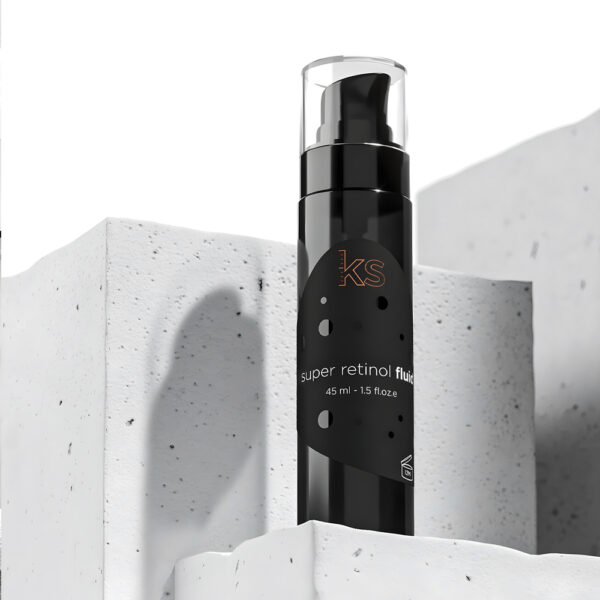
If your skin reacts easily, here is our selection for sensitive skin and redness.