Water is essential for the skin — but the water that comes out of the tap is not always kind to it. Its hardness, its chlorine and its pH all play a part.
Hard water vs soft water
Hard water is rich in minerals such as calcium and magnesium. These minerals react with cleansers and can leave residues on the skin. A study at the University of Sheffield washed the skin with a common surfactant in water of different hardness: with hard water, more surfactant stayed on the skin, which increased water loss and irritation — in healthy people and even more in people with atopic skin. Softening the water reduced these effects (Danby et al., 2018).
Soft water, with fewer minerals, rinses more cleanly and is gentler, especially for sensitive or reactive skin.
Chlorine
Chlorine disinfects tap water, but it can strip the natural lipids of the skin barrier and leave the skin dry and tight. Swimming pools expose the skin to much higher levels.
The pH of water
The skin surface is slightly acidic, on average below pH 5. Tap water is usually closer to neutral or slightly alkaline, and washing with it can temporarily raise the skin’s pH. Healthy skin returns to its natural pH within a few hours, but a gentle, slightly acidic routine helps — read why skin pH matters.
How to protect your skin
- Use lukewarm water, not hot, and keep showers short.
- Choose a gentle, slightly acidic cleanser, or a micellar water that needs no rinsing.
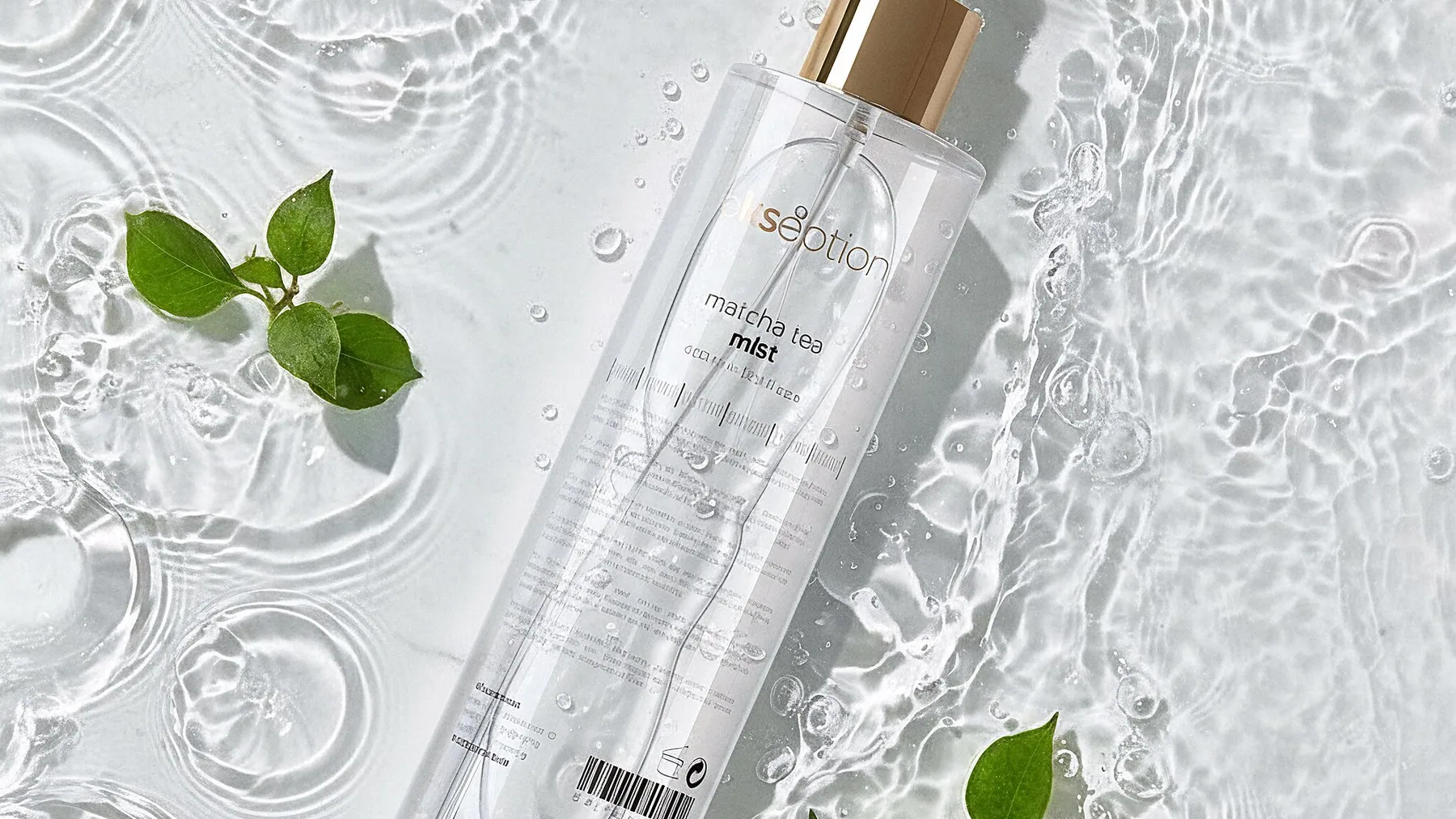
- Mist a toner after cleansing to remove mineral residues and rebalance the pH.
- Repair the barrier with a moisturiser containing ceramides, hyaluronic acid and glycerin.
- Consider a filter — a shower filter or a water softener — if your water is very hard.
- Purify gently if residues and impurities build up: a cleanser with salicylic acid or charcoal helps keep pores clear.
In the ekseption range
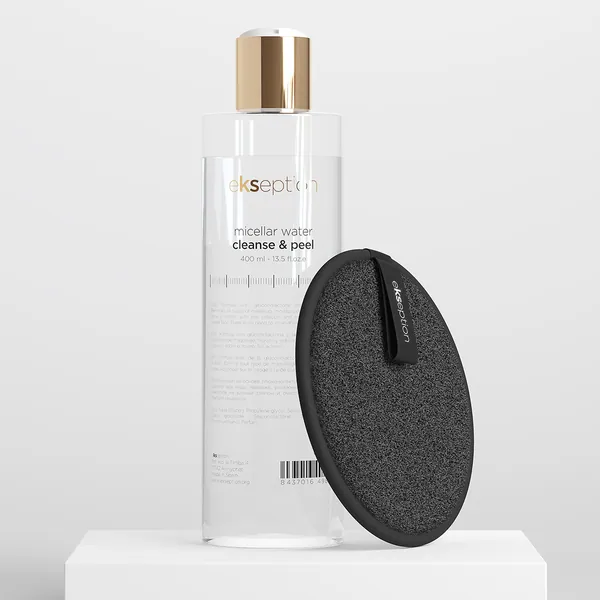
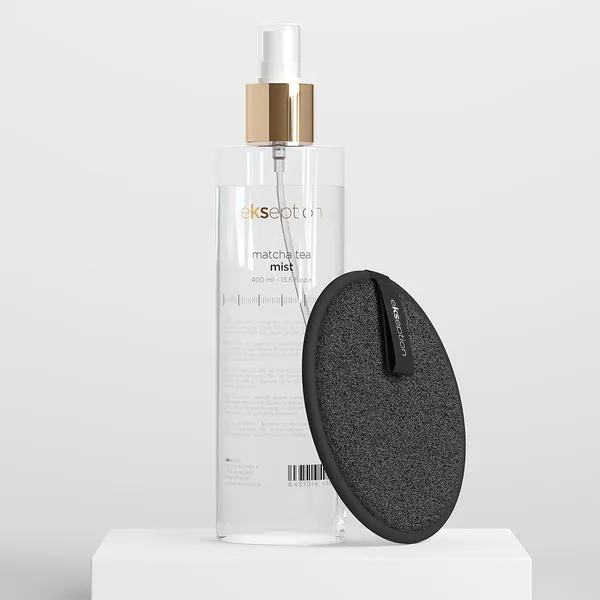
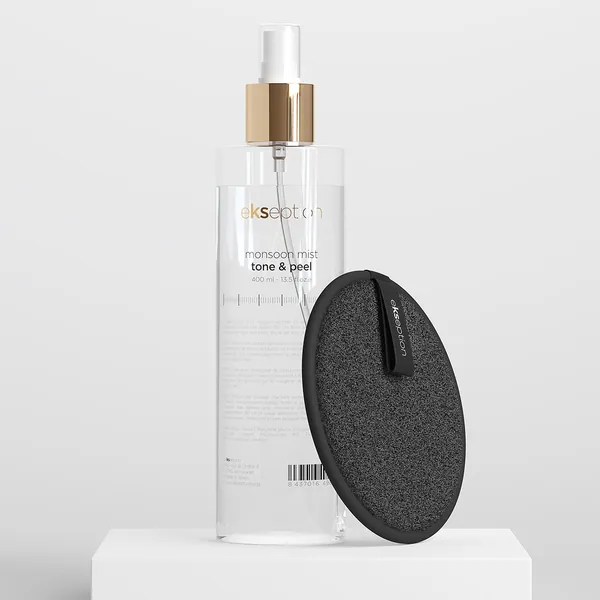
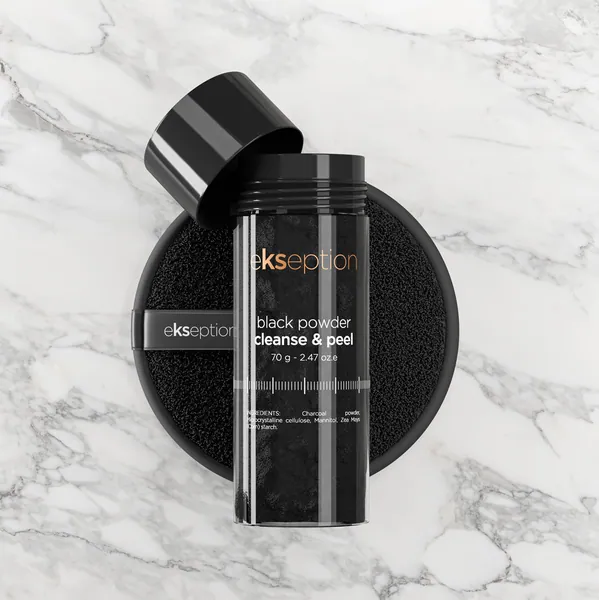
The micellar water cleanse & peel cleans without rinsing; matcha tea mist and monsoon mist tone & peel complete the cleansing and prepare the skin; the black powder cleanse & peel with charcoal purifies; and ice cream ceramides strengthens the barrier.
Questions
How do I know if my water is hard?
White limescale on taps and kettles is a good sign. Your local water supplier also publishes the hardness of your tap water.
Can I wash my face with micellar water instead of tap water?
Yes. Micellar water cleans without rinsing, which is useful if your tap water is very hard or your skin is sensitive.
Does hot water damage the skin?
Hot water dissolves the skin's protective lipids faster, especially with hard water. Lukewarm water is gentler.
Sources
Looking for a treatment?
ekseption peels are applied by trained professionals. Find a professional who works with ekseption near you, or ask us.
Find a professional